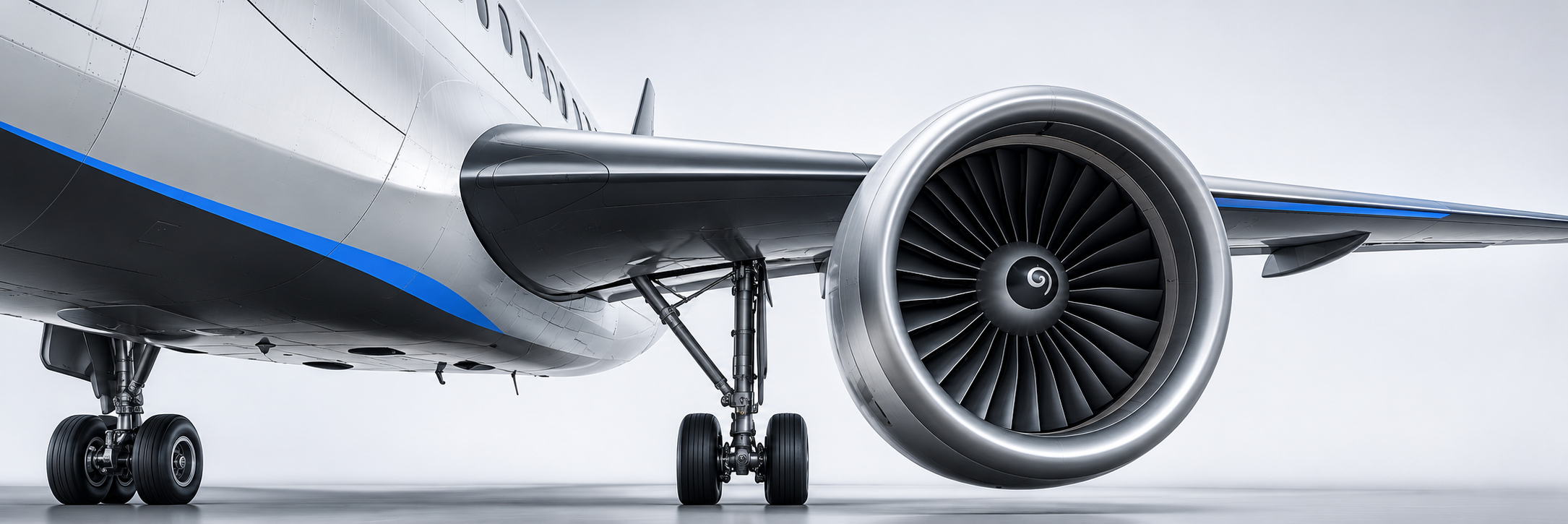
Challenges
Machining Challenges in the Aerospace Industry
Key Production Considerations for Aircraft Components

Difficult-to-cut alloys
Titanium, nickel-based superalloys and high-strength steels can create elevated cutting temperatures, work hardening and accelerated tool wear. Cutting data, tool geometry and coolant strategy must be matched to the material.
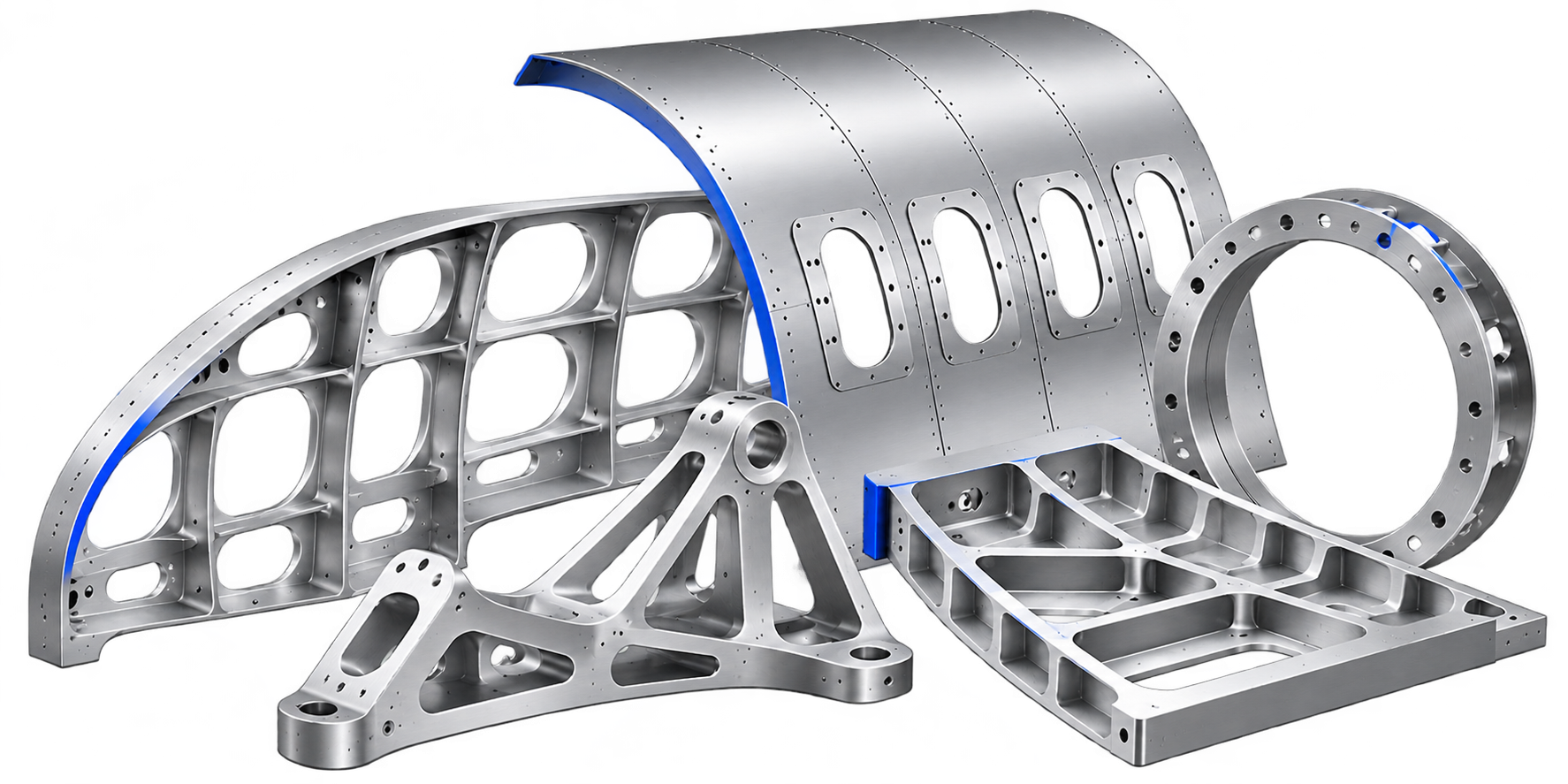
Thin-wall structures and lightweight designs
Ribs, skins, pockets and other weight-optimised features can deflect under clamping or cutting forces. Balanced machining sequences and carefully designed fixtures help control distortion.
Complex profiles and multi-face features
Contoured surfaces, angled holes and intersecting geometries require suitable axis capability, tool access and accurately planned setups.
Critical dimensions and surface integrity
Bores, mating faces and fastening interfaces need controlled sizing, finishing and inspection against the component drawing and applicable quality requirements.
Components
Aircraft Parts and Precision-Machined Assemblies
Aerospace manufacturing relies on precisely engineered components that contribute to aircraft structural integrity, operational performance and assembly accuracy. From airframe fittings and wing structures to engine housings, landing gear components and flight-control assemblies, each part requires machining processes suited to its geometry, material and dimensional specifications. EUROGULF supports these manufacturing requirements with advanced CNC machining technologies, tooling and workholding solutions designed for complex component production and consistent quality.
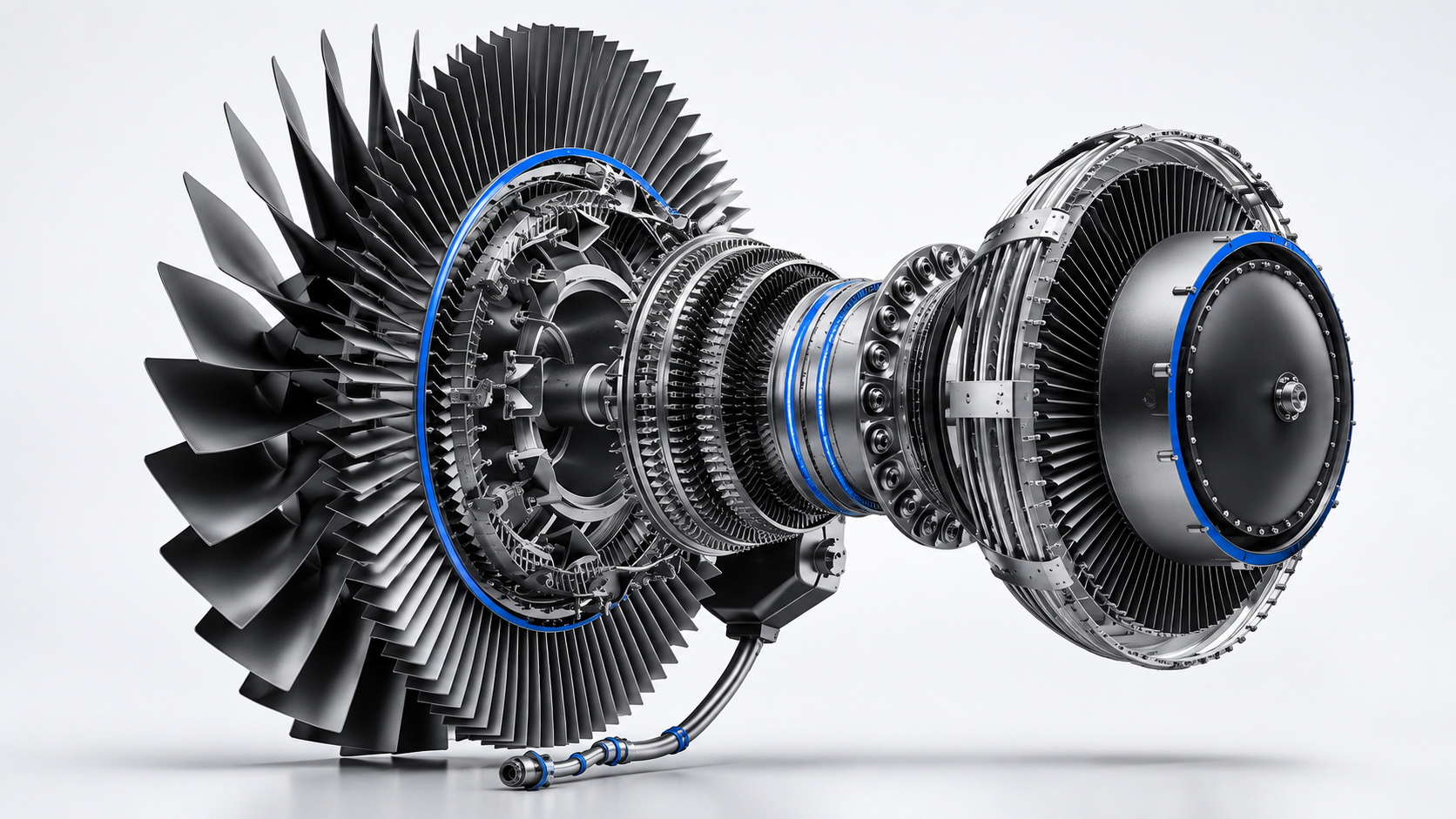
Propulsion-system components
Selected casings, housings, rings, support parts and other machined elements, subject to material and process suitability.
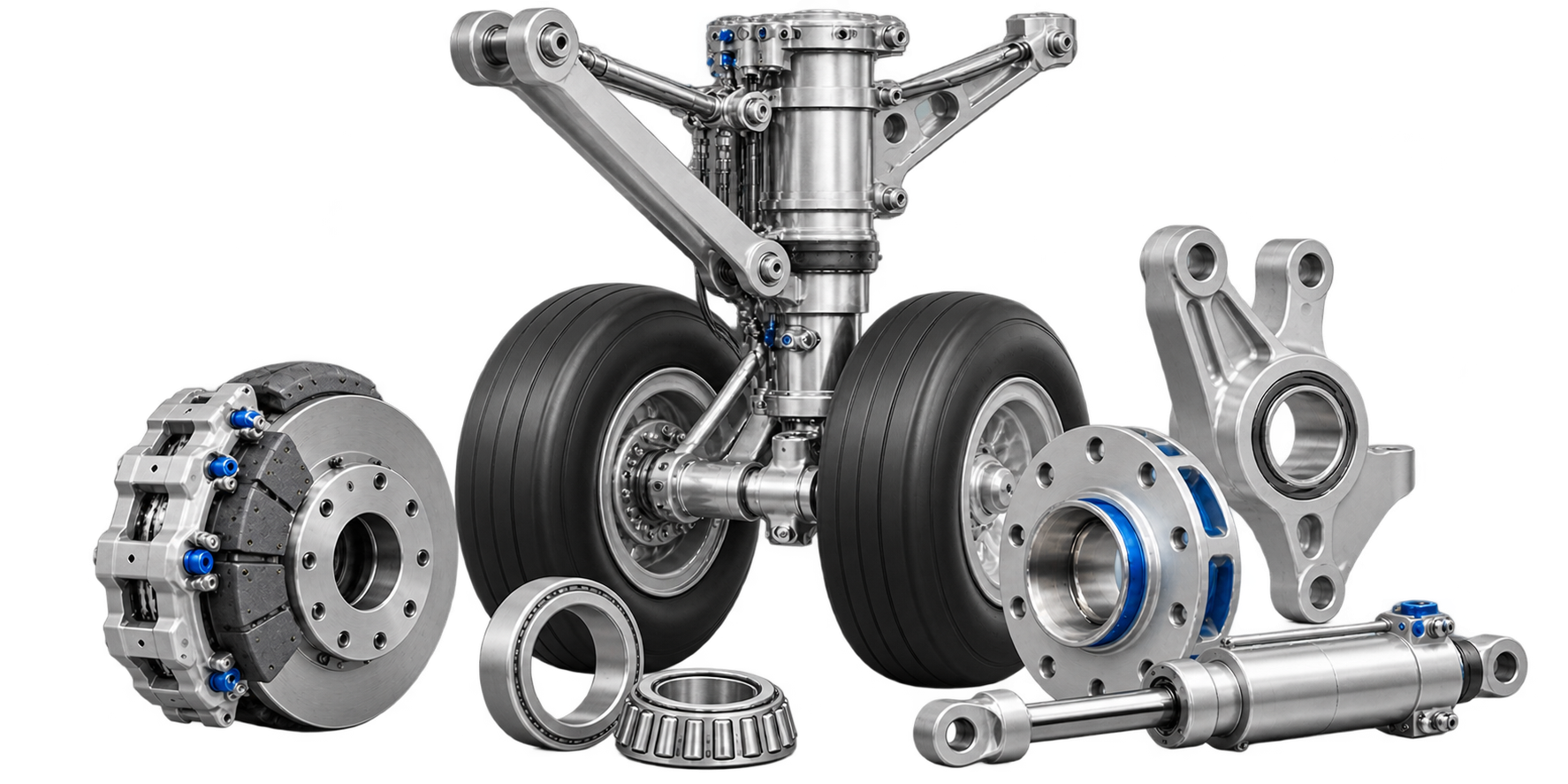
Landing-system components
Selected fittings, linkages, actuator-related parts and structural interfaces.
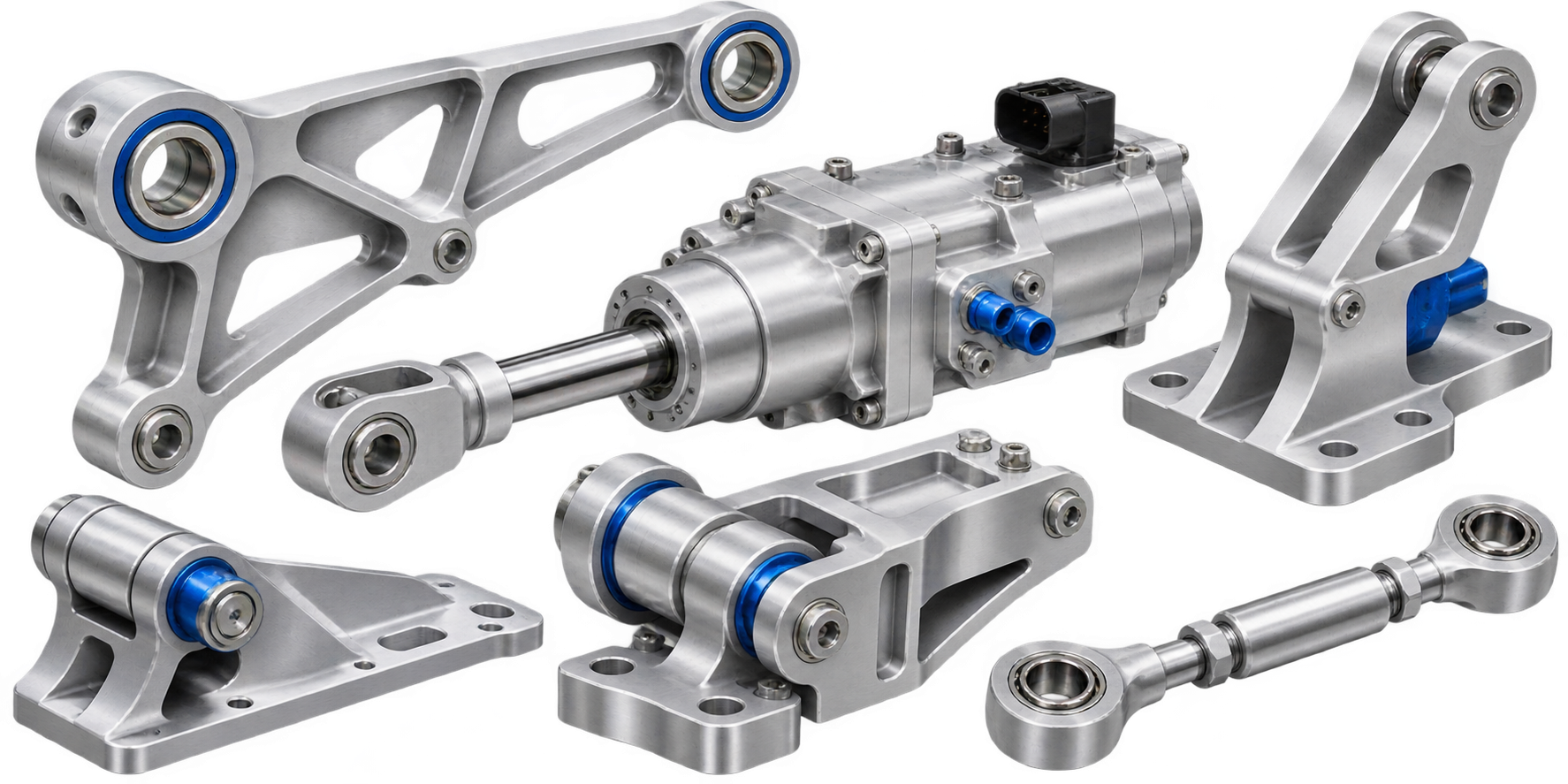
Flight-control hardware
Hinges, brackets, control-system fittings, bellcrank-type parts and precision connection elements.
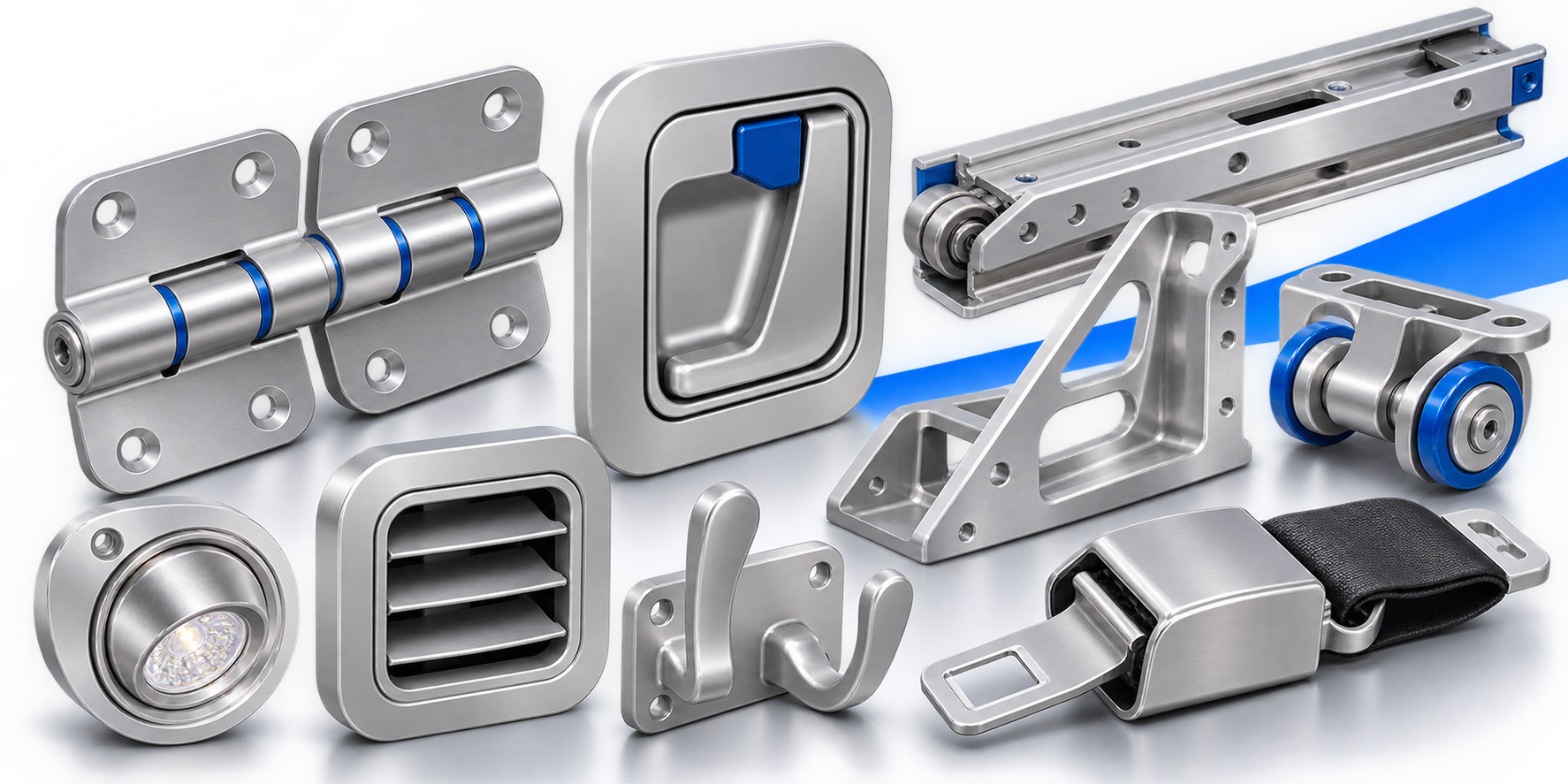
Aircraft cabin hardware
Seat tracks, mounting brackets, rails, supports and lightweight interior fittings.
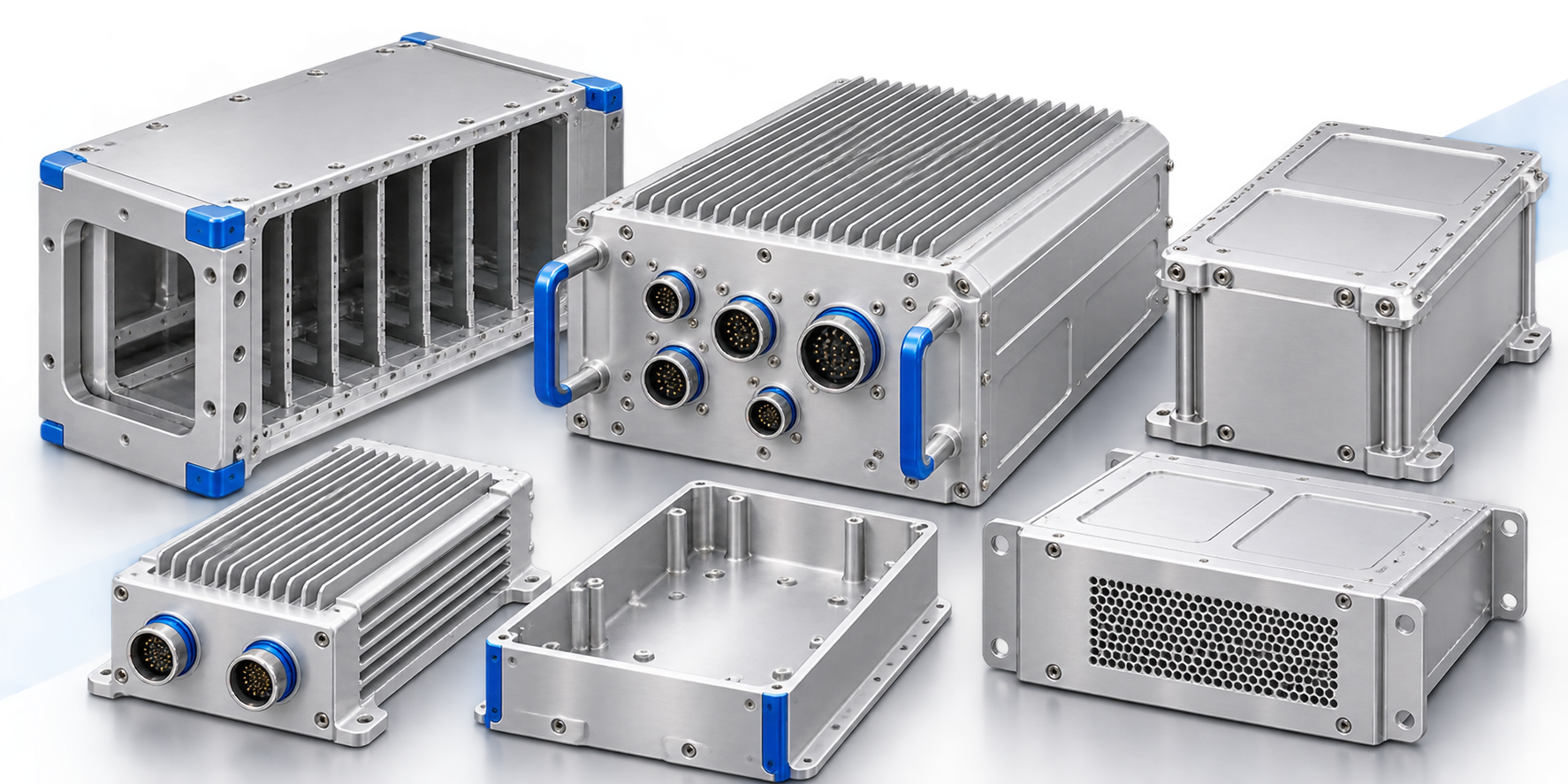
Avionics and equipment housings
Machined enclosures, mounting plates, covers and equipment interfaces.
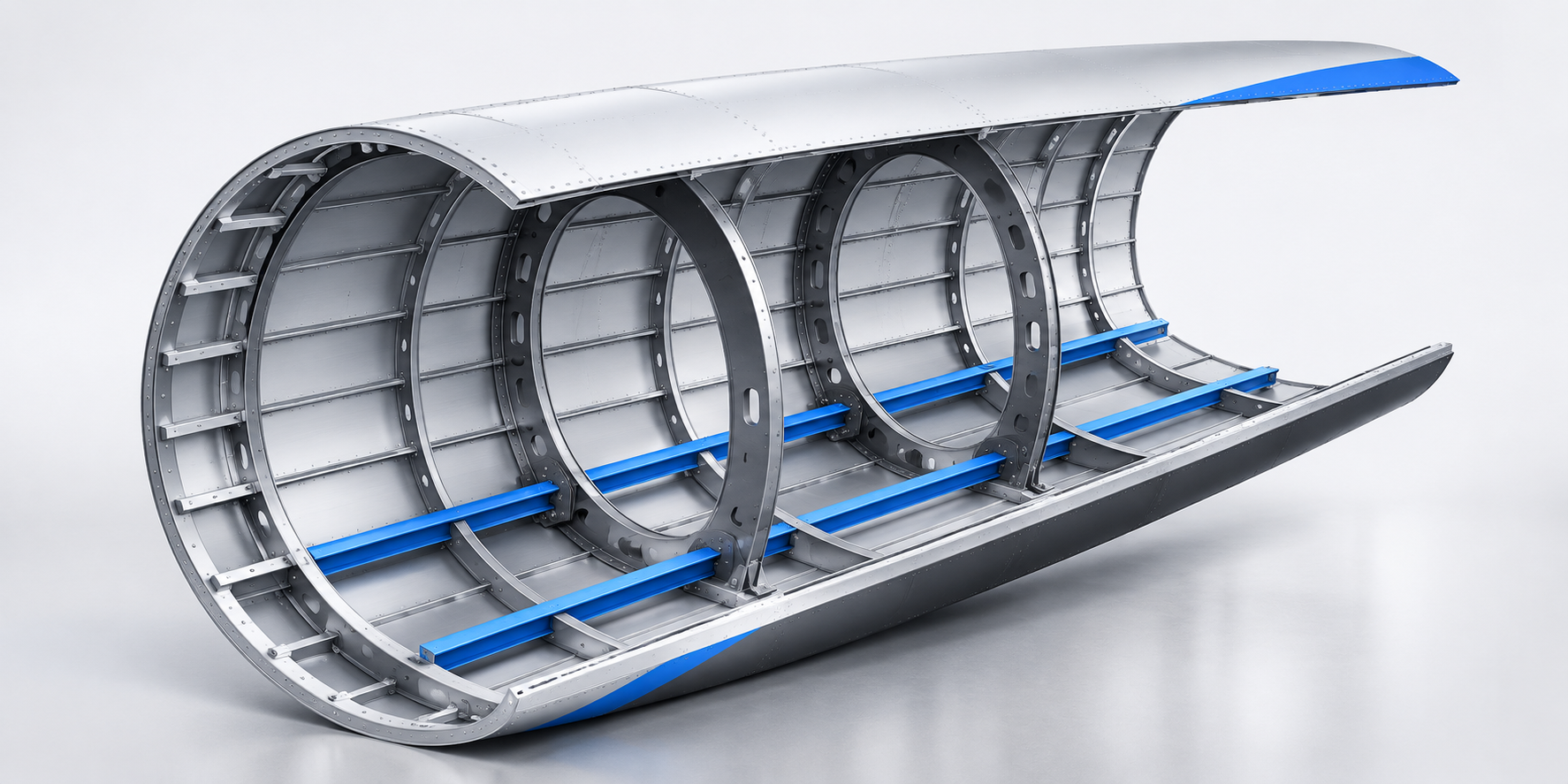
Airframe structural components
Ribs, brackets, frames, spars-related fittings, clips and structural connectors.
Pressure Control
Automation for Consistent Aerospace Production
In-process probing and machine monitoring further support setup accuracy and production visibility. EUROGULF offers industrial automation solutions that can be integrated around component requirements, machining cycles and factory workflows to help manufacturers improve operational efficiency and production consistency.
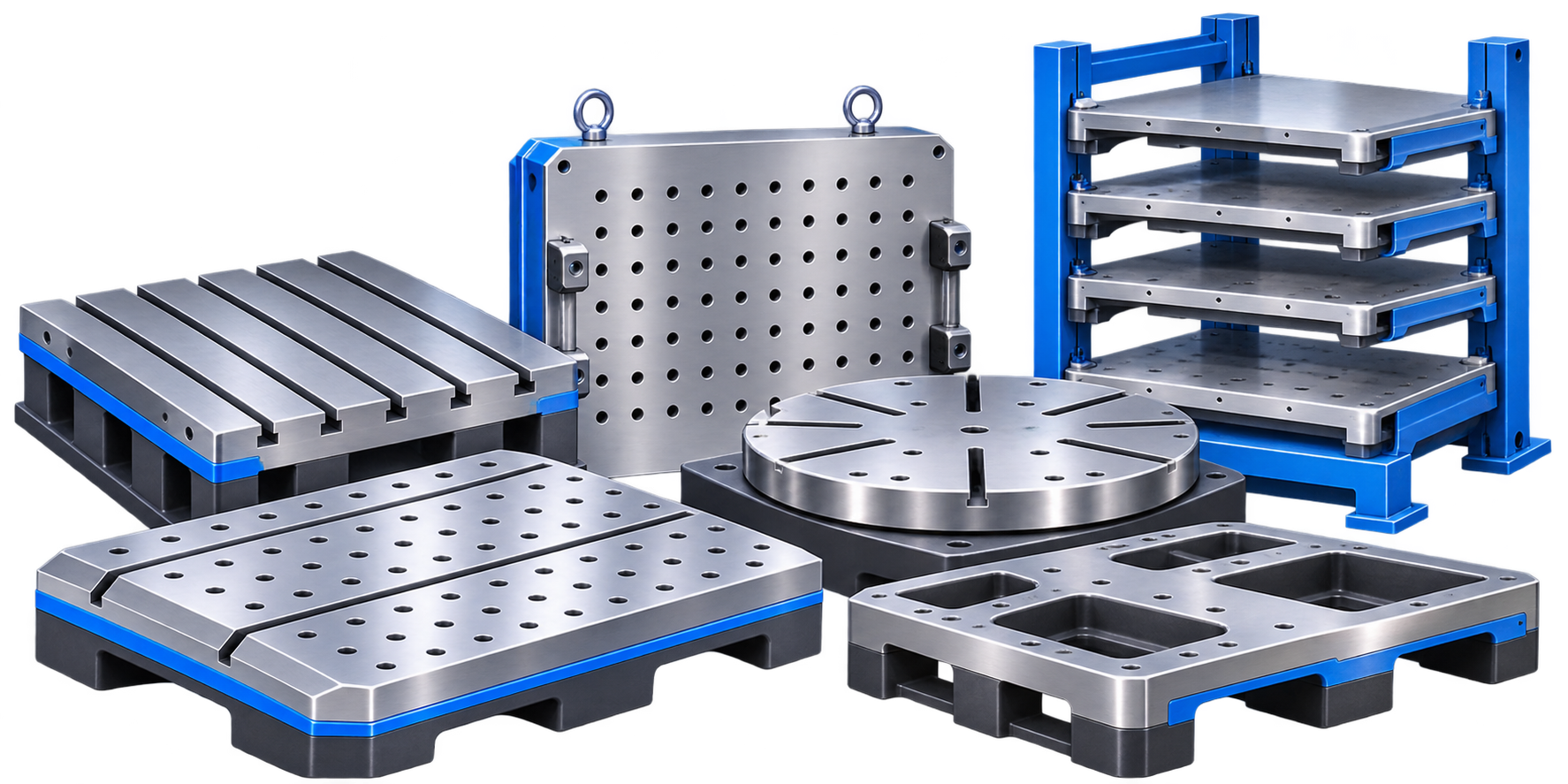
Pallet systems
Support repeatable fixture positioning and allow suitable workpieces to be prepared outside the machining cycle.
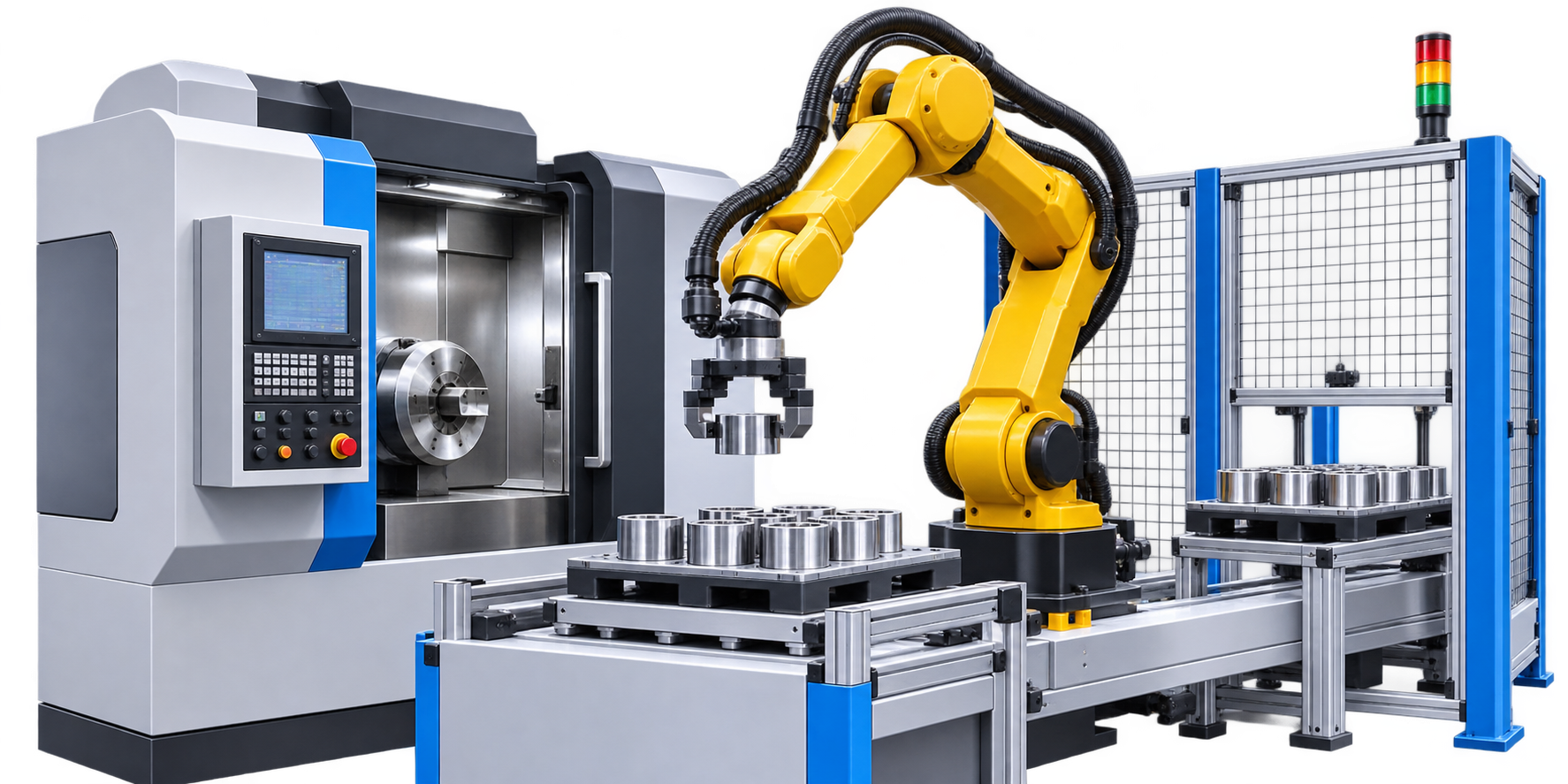
Automated machine tending
Robotic or mechanical loading can transfer compatible parts between storage, fixtures and machine enclosures.
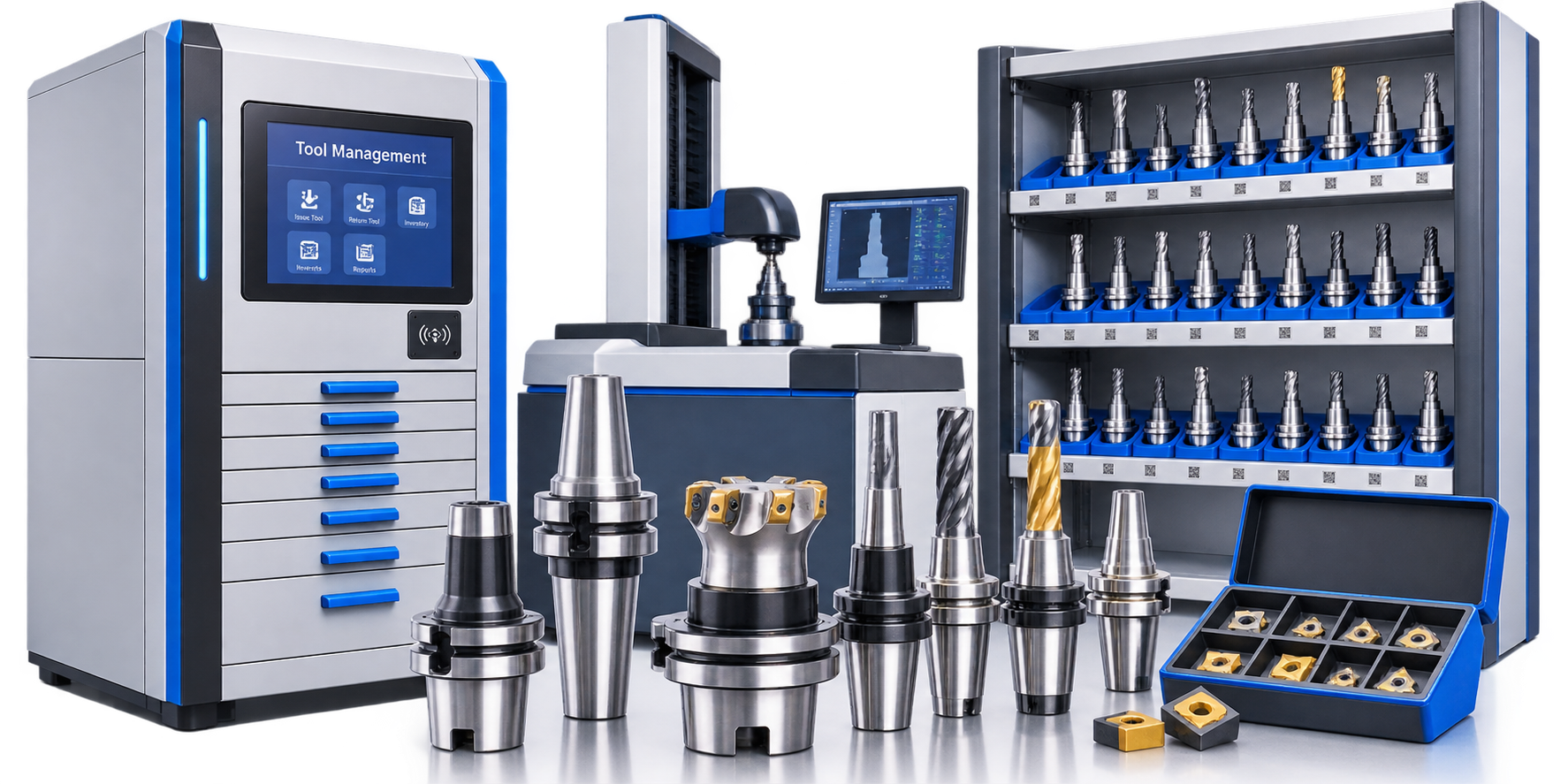
Tool management
Presetting, identification and monitoring help organise tool availability and maintain controlled production routines.
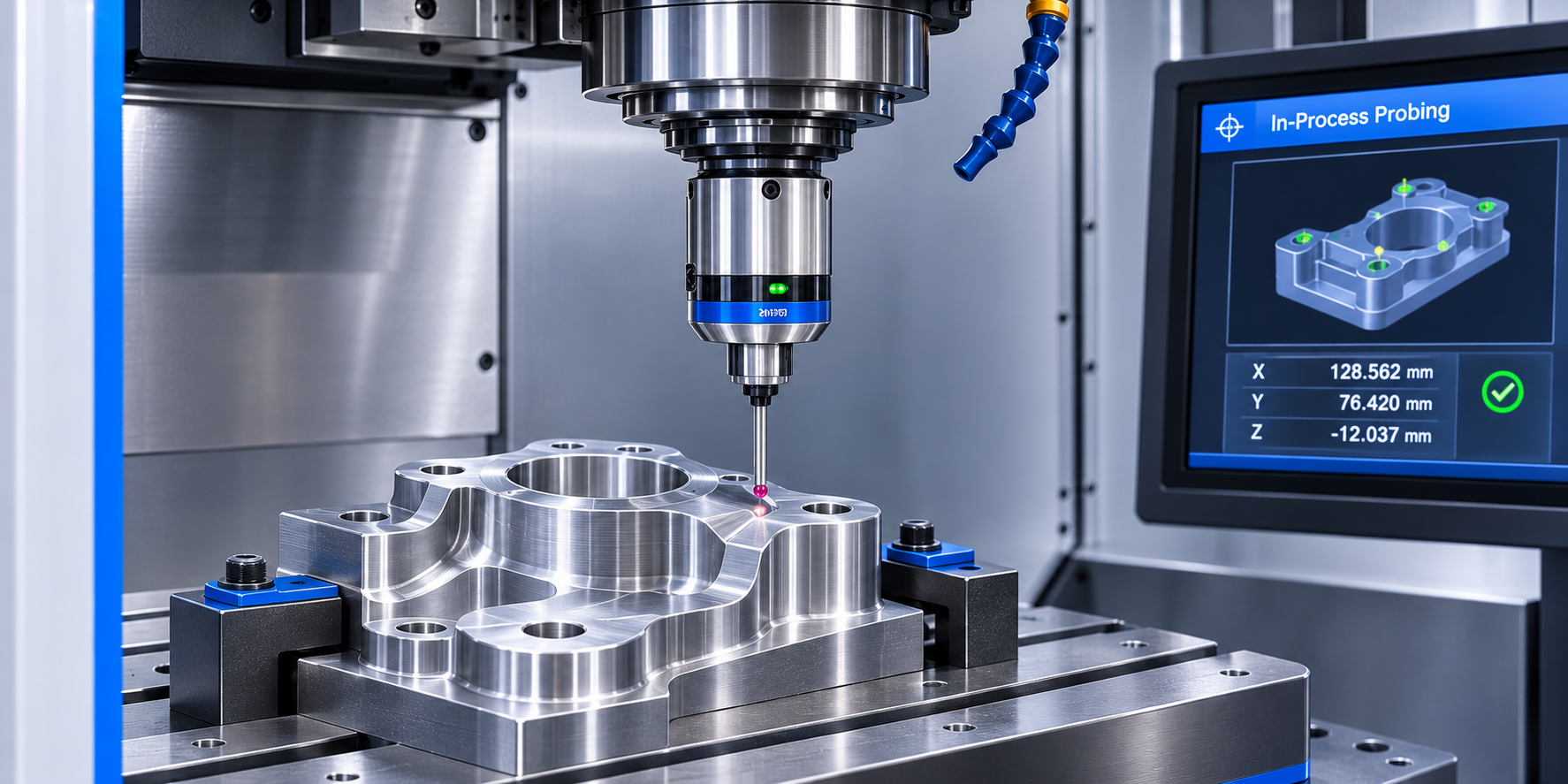
In-process probing
Part and tool measurement cycles can assist with datum setting, alignment and selected dimensional checks.

Machine connectivity
Where supported by the installed controls and software, production data can help teams review utilisation, alarms and operating conditions.
Rotating Equipment
Robotic Applications in Aerospace Machine Shops
Grippers and robotic paths can be configured around part dimensions, weight, surface sensitivity and fixture requirements. When integrated with suitable CNC equipment and production systems, these technologies help reduce manual handling, support repeatable workflows and improve shop-floor productivity. EUROGULF provides robotics and automation solutions tailored to manufacturing processes and operational requirements.
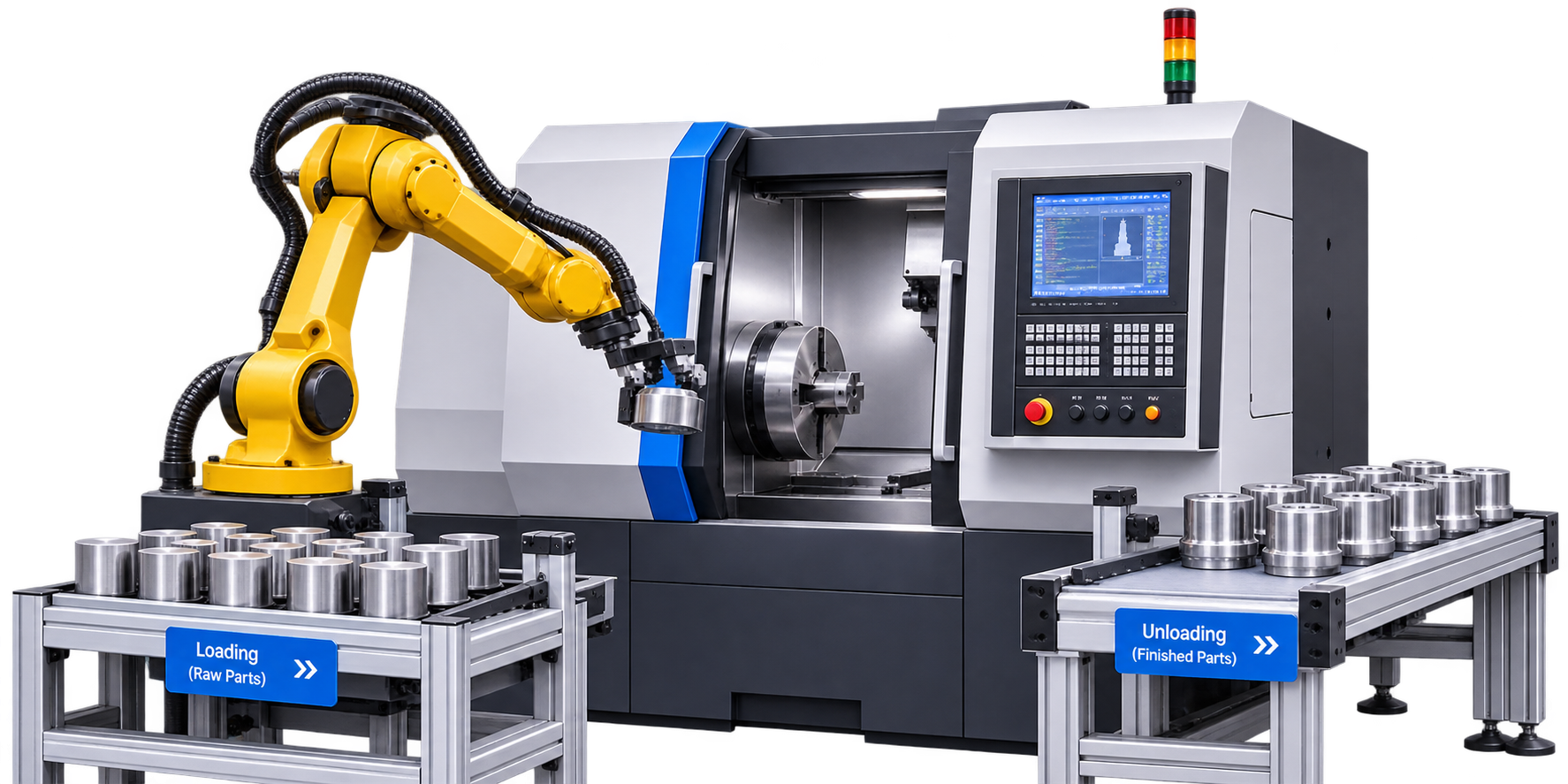
CNC machine loading and unloading
Robots handle suitable workpieces between machining cycles using grippers selected to protect the component.

Inter-station transfer
Automated movement can connect defined production stages when part flow and cell layout are suitable.
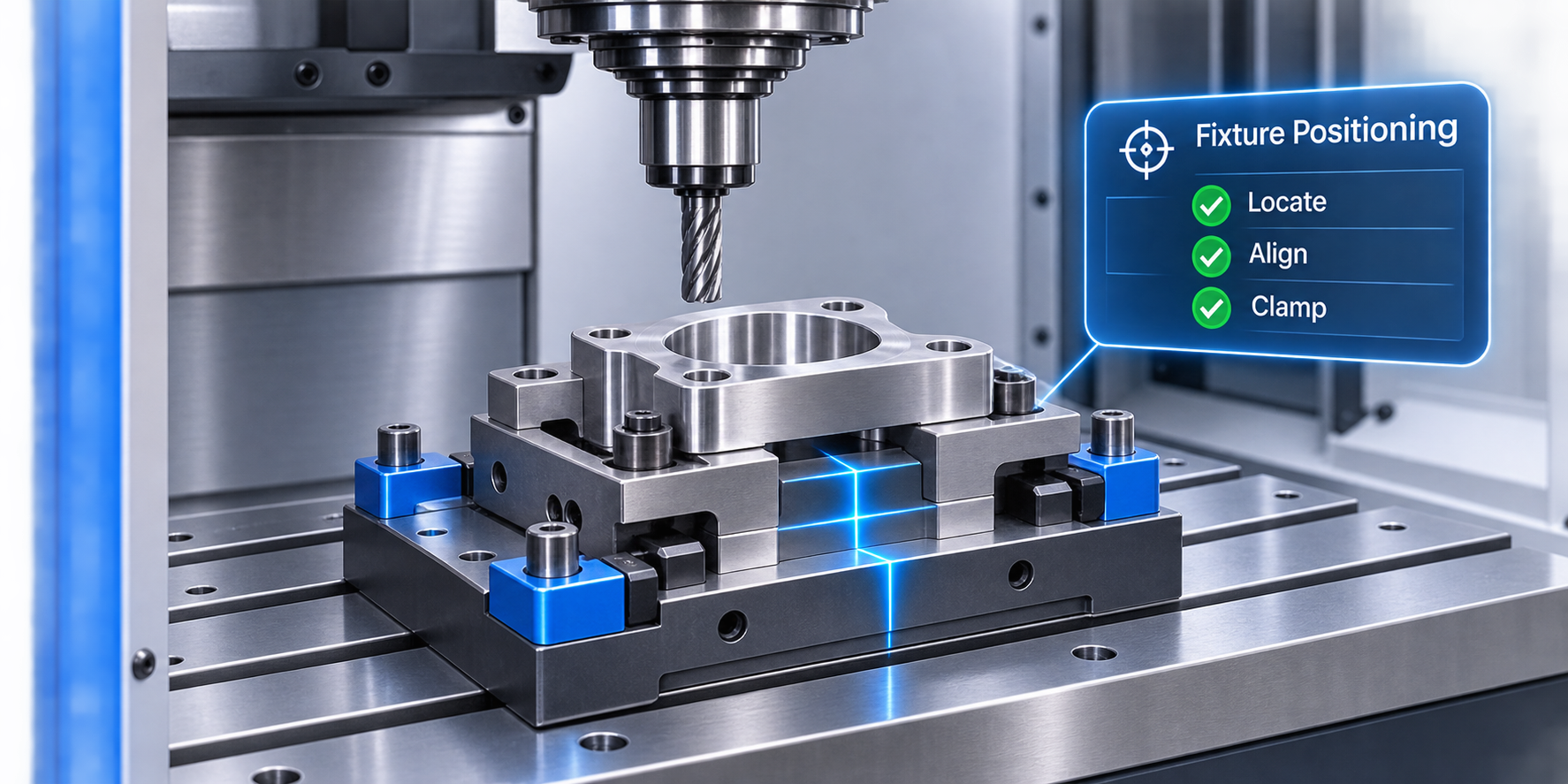
Fixture positioning
Robotic placement can support repeatable loading for compatible components and validated fixture designs.
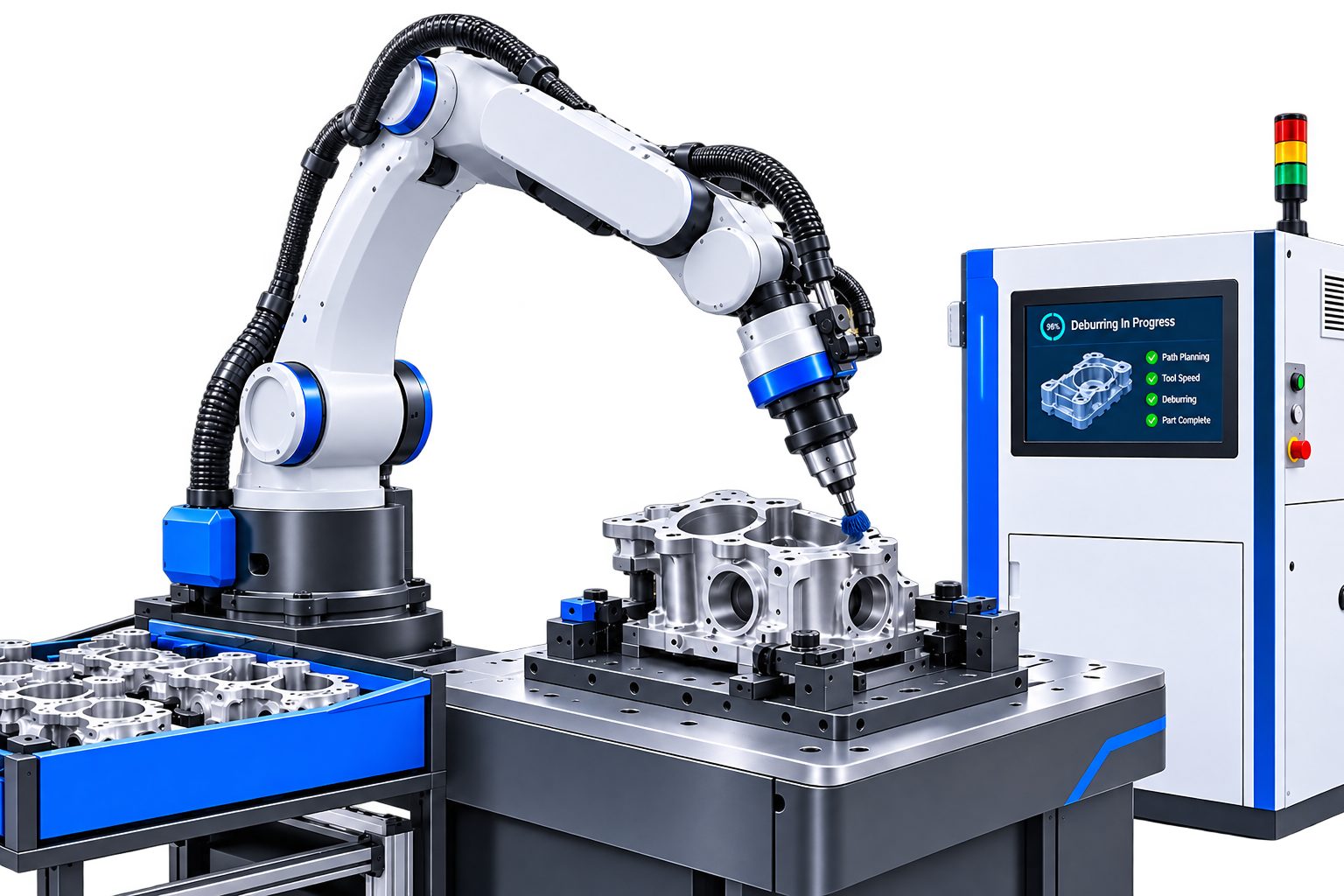
Robotic deburring
Selected edges and features can be finished with robotic tools after process validation and quality checks.
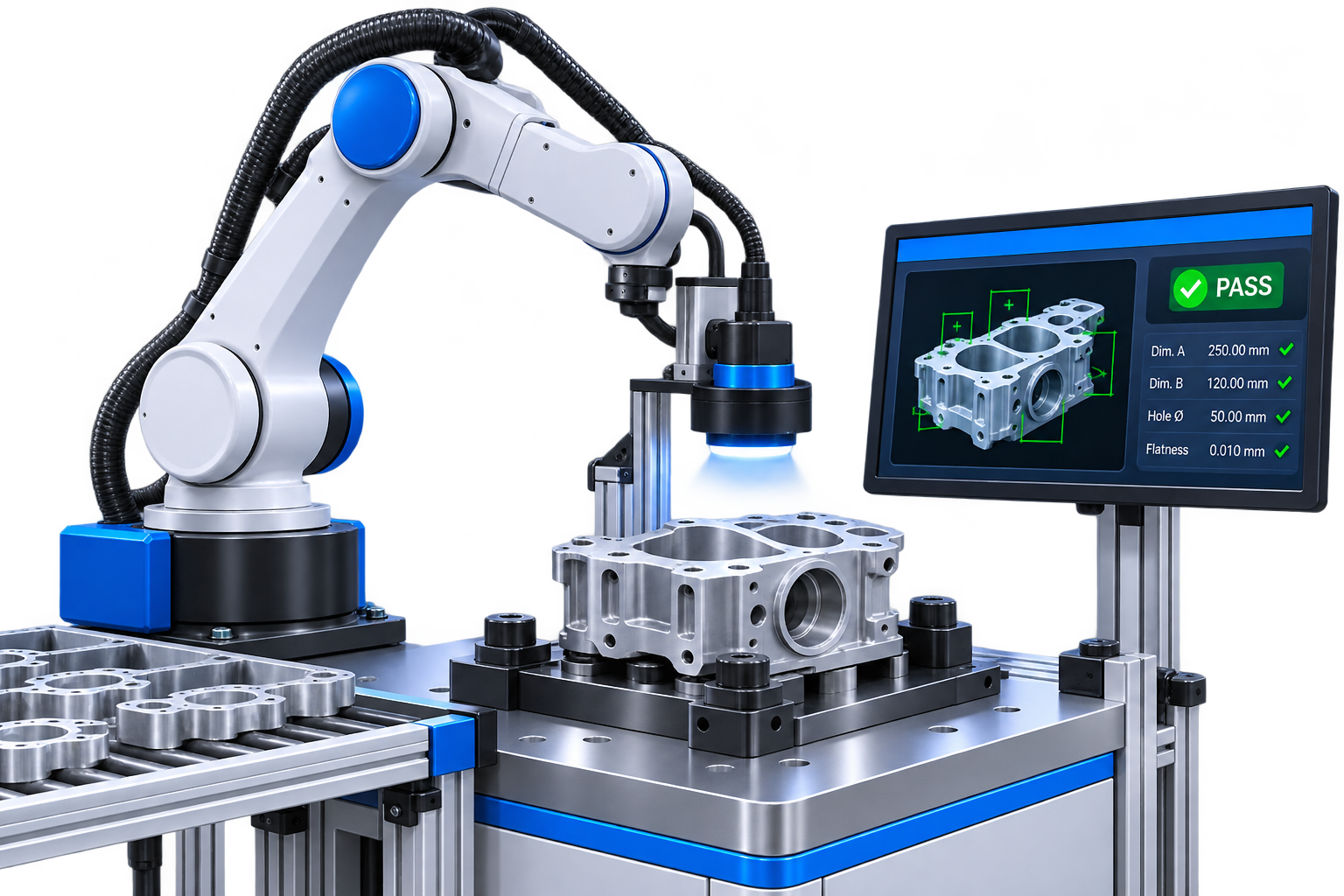
Inspection handling
Robots can present parts to designated inspection equipment where the cell is designed for accurate and safe positioning.
Downhole Tools
A Machining Approach Built Around Aerospace Application
Our approach focuses on aligning equipment capabilities with specific component requirements and production objectives.

Application-led machine selection
Evaluate work envelope, axis configuration, spindle capability, accuracy requirements and component geometry before selecting a suitable CNC platform.
Multi-axis process planning
Assess 5-axis and multi-axis machining where complex contours, angled features or multiple machined faces make these configurations appropriate.
Material-specific cutting strategies
Consider tool grade, edge preparation, coating, holder rigidity, chip evacuation and coolant delivery for the alloy and operation.
Precision workholding
Plan datum locations, support points and clamping forces to maintain stability while protecting delicate or thin-section features.
Manufacturing integration
Review probing, presetting, pallet systems, tool management and automated handling where they align with production volumes and part families.
Materials
Machining Aluminium, Titanium and High-Performance Alloys
Lightweight construction and demanding operating conditions require materials with carefully balanced mechanical properties. Aluminium alloys offer excellent strength-to-weight characteristics, while titanium provides durability under high mechanical loads. Nickel-based superalloys are selected for applications exposed to elevated temperatures. Processing these materials requires suitable cutting geometries, stable workholding, effective heat control and carefully planned machining strategies.
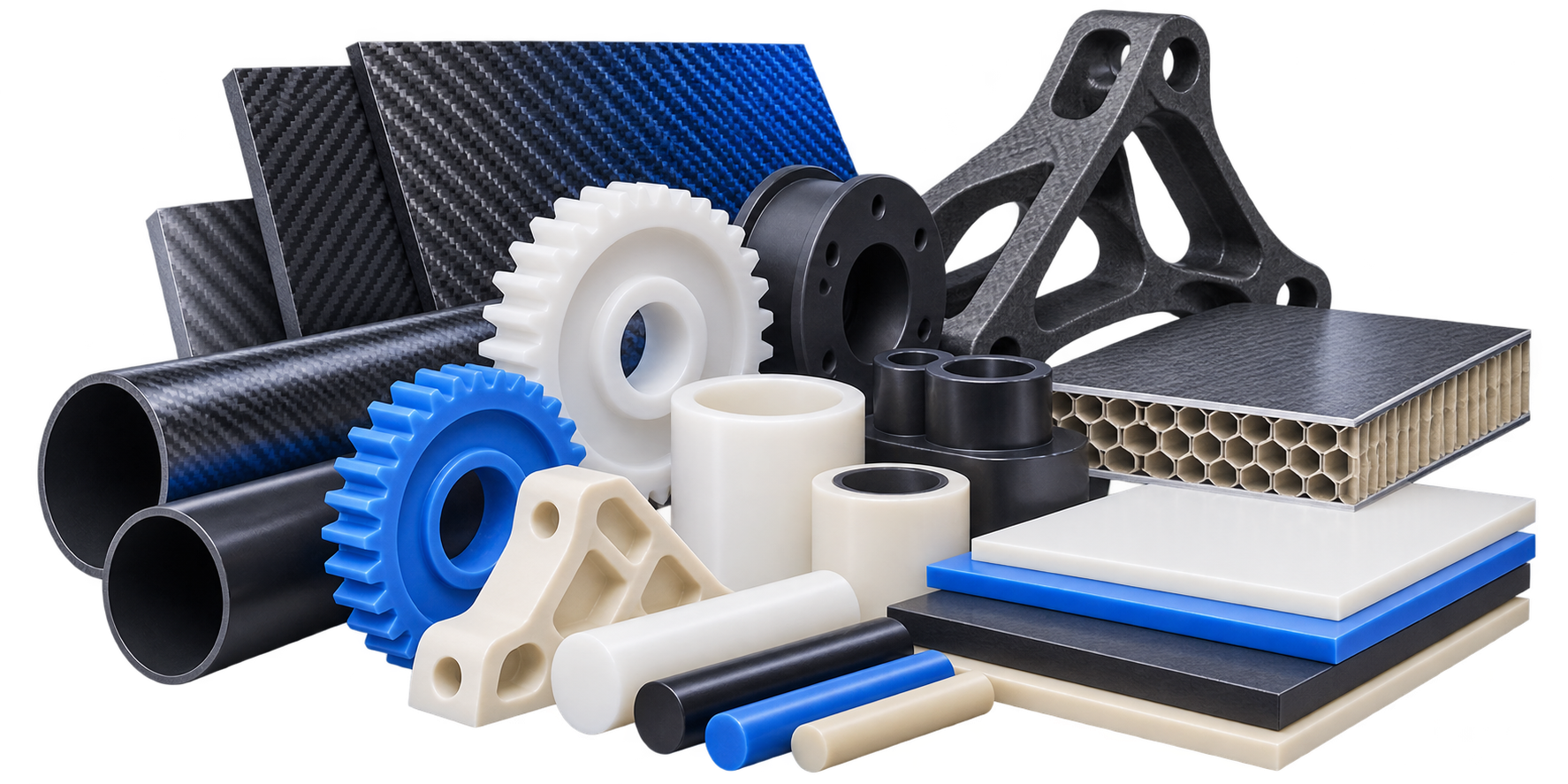
Engineering plastics and composites
Certain non-metallic aircraft parts need dedicated cutting methods, suitable dust extraction and material-appropriate workholding. Confirm machine and process compatibility before selection.
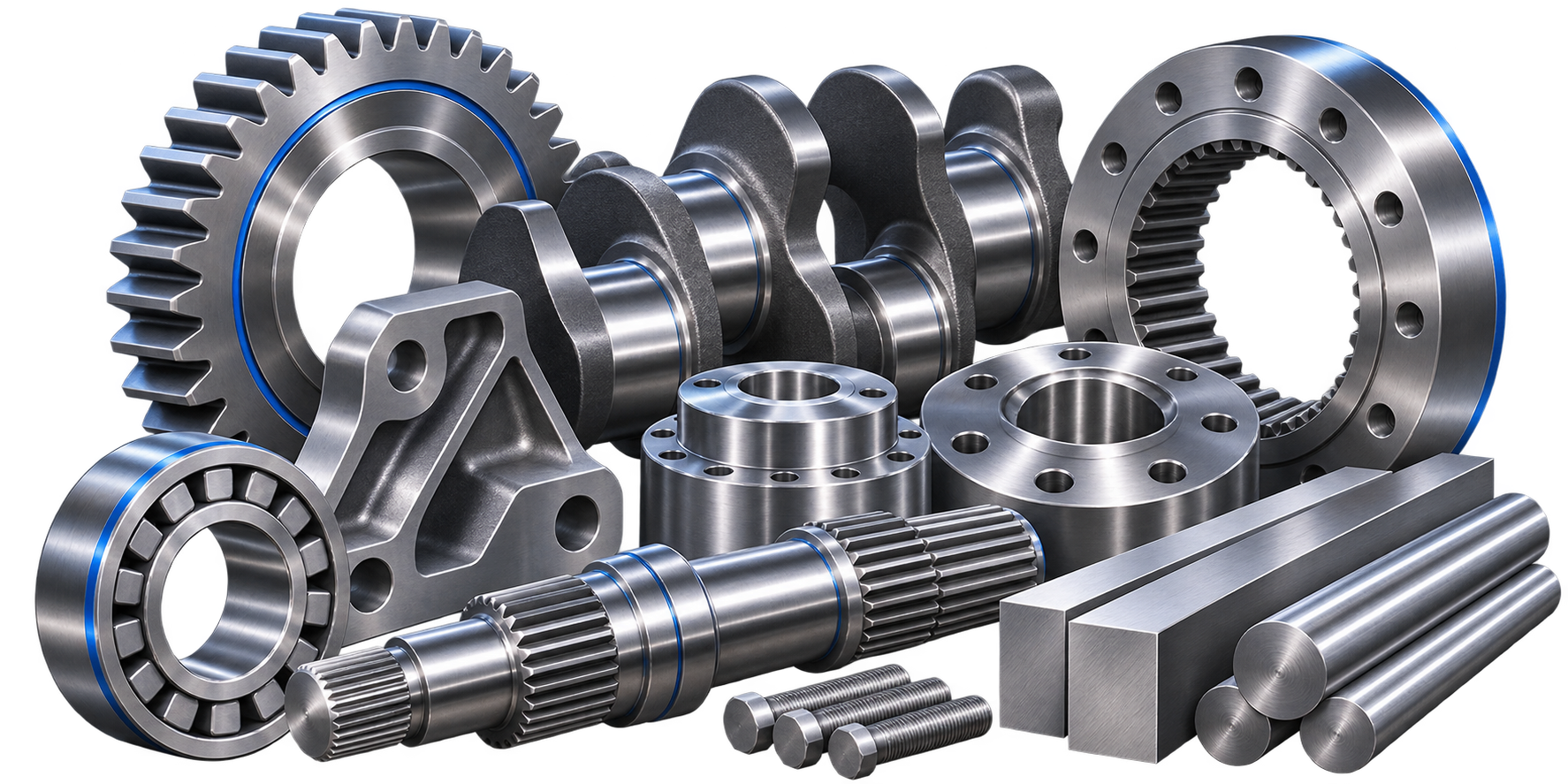
High-strength alloy steels
Used in load-bearing and landing-system applications, where machining plans must account for hardness, tool wear and required surface condition.
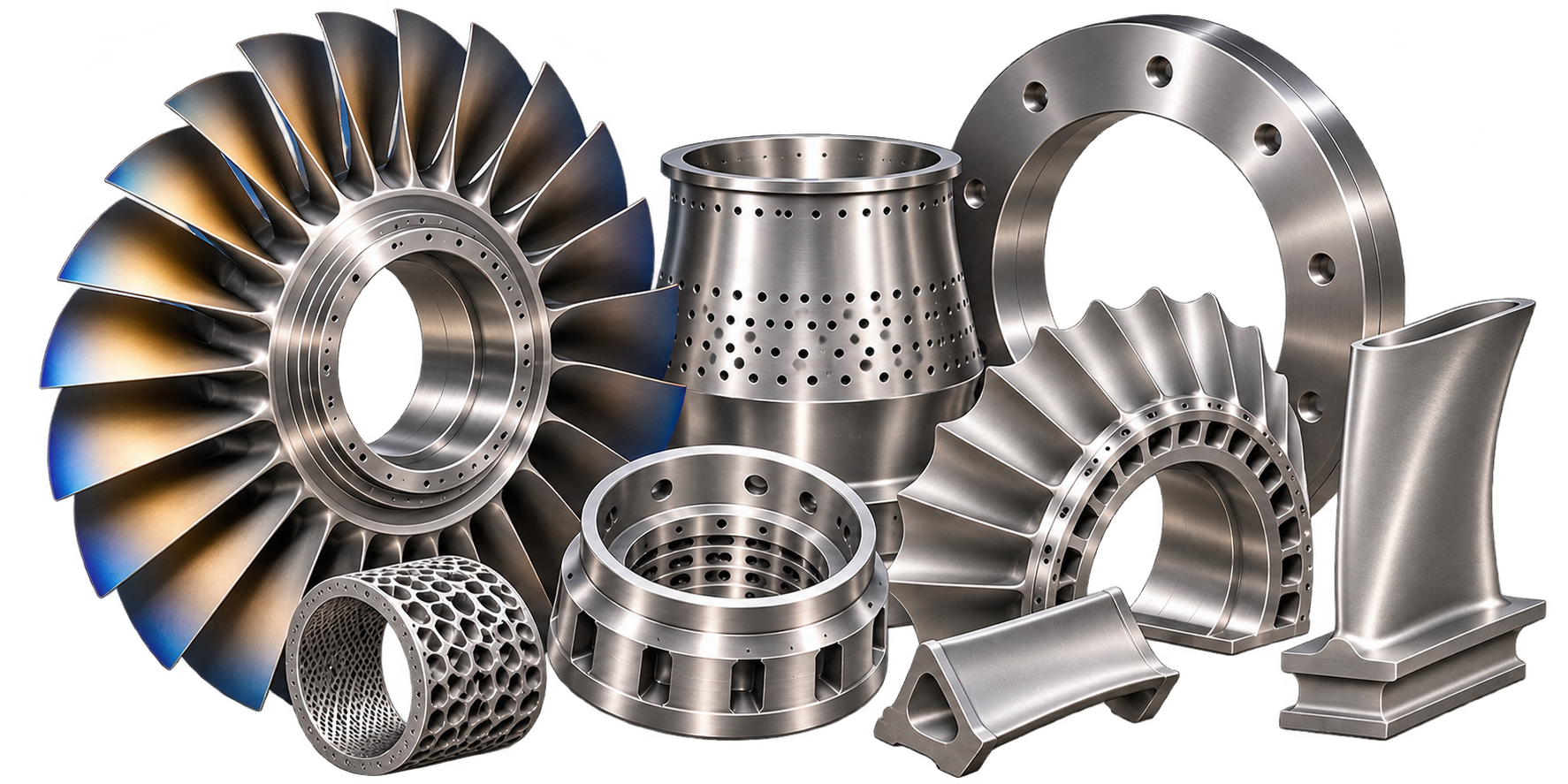
Nickel-based superalloys
Used in selected high-temperature propulsion environments. Their strength at elevated temperatures calls for application-specific tooling and controlled cutting conditions.
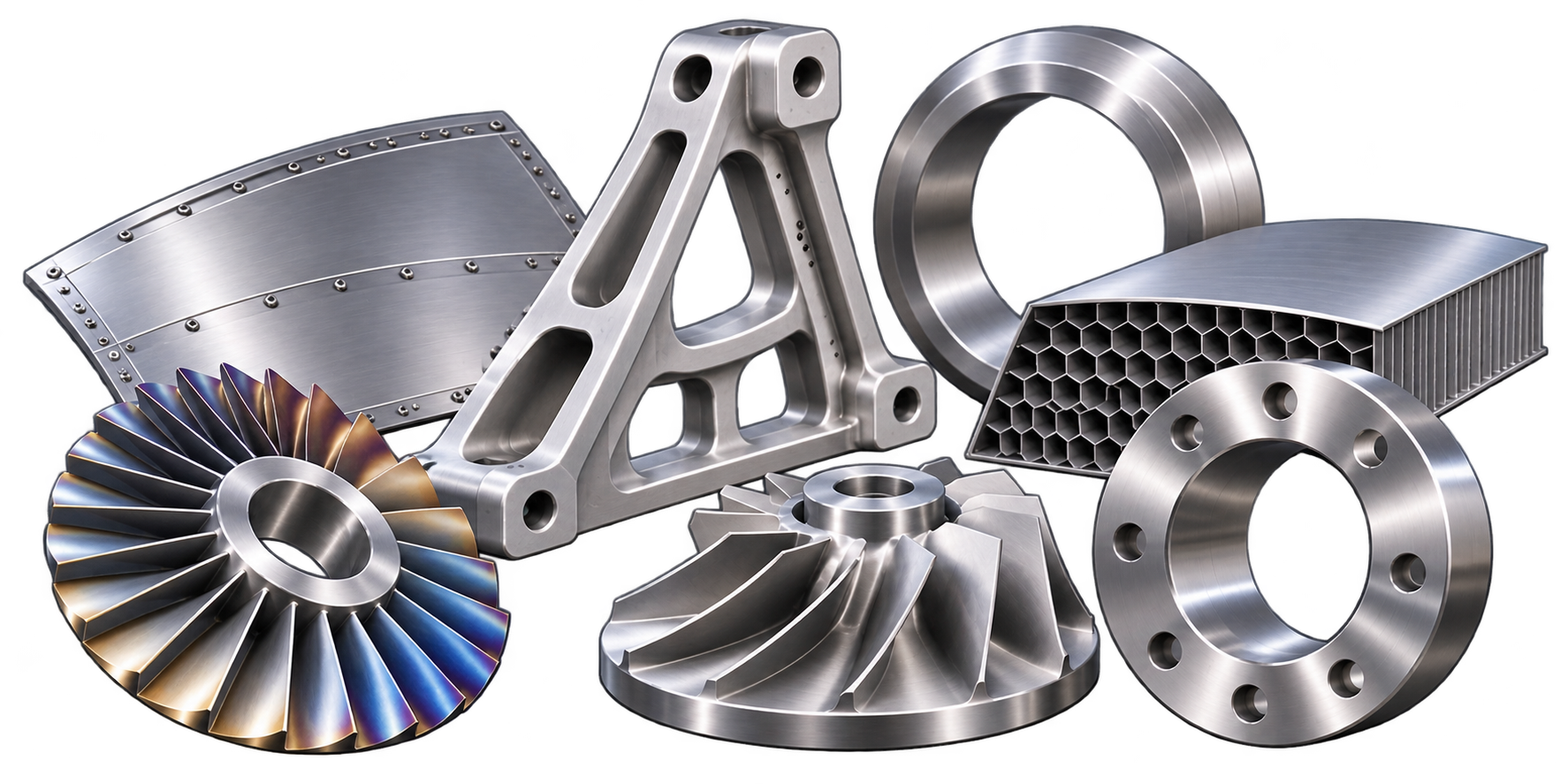
Titanium alloys
Selected for strength and performance in demanding aircraft applications. Their low thermal conductivity makes heat control, cutting-edge condition and machining sequence important.
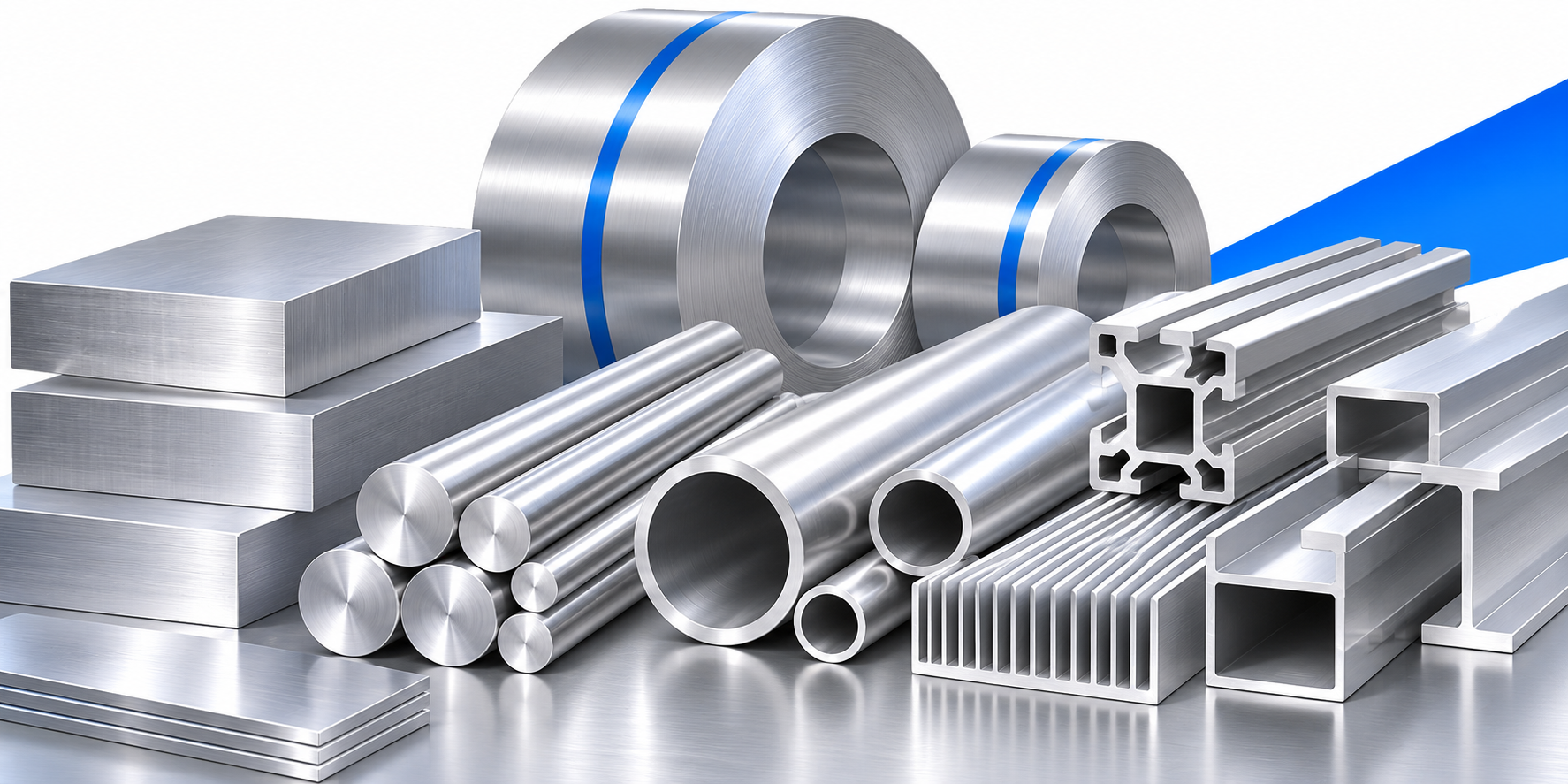
Aluminium alloys
Widely used in airframe structures because of their strength-to-weight characteristics. Tool geometry, chip evacuation and support strategy influence finish and dimensional stability.
Machines
CNC Machine Tools for Aircraft Component Production
Manufacturing intricate aircraft parts requires machine tools capable of handling varied geometries, demanding materials and precise dimensional specifications. 5-axis machining centres, vertical and horizontal machining centres, CNC turning centres and mill-turn systems support operations ranging from complex contour milling to accurate drilling, boring and turning. Selecting the right machine configuration helps improve tool accessibility, reduce unnecessary setups and maintain process consistency.
Workholding
Aerospace Fixtures for Delicate and Complex Geometries
EUROGULF supports the selection of workholding solutions based on component geometry, material properties, machining operations and setup requirements, helping manufacturers achieve repeatable positioning and reliable machining results.
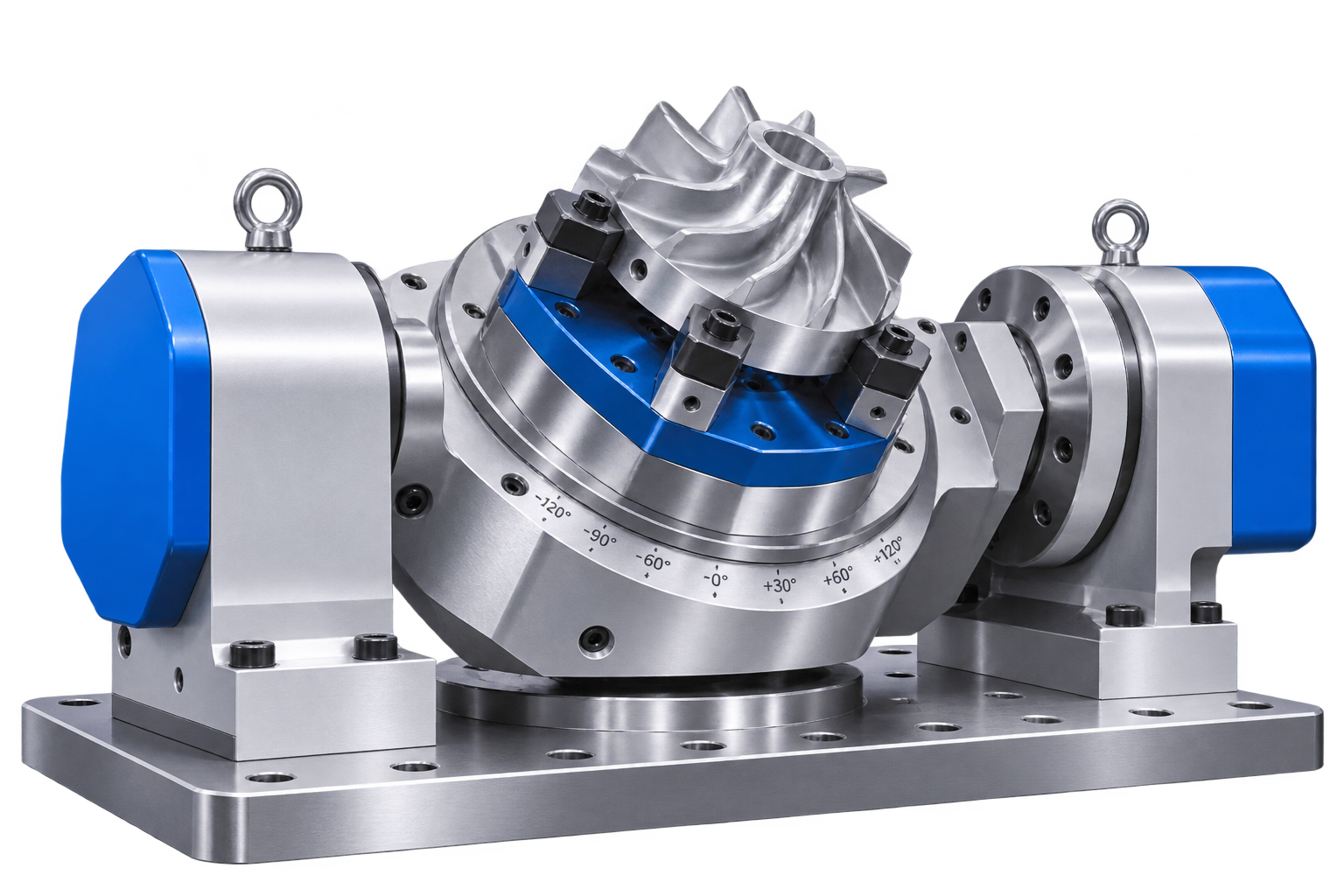
5-axis workholding
Compact fixtures can improve tool access around multiple faces while maintaining rigidity and clearance.
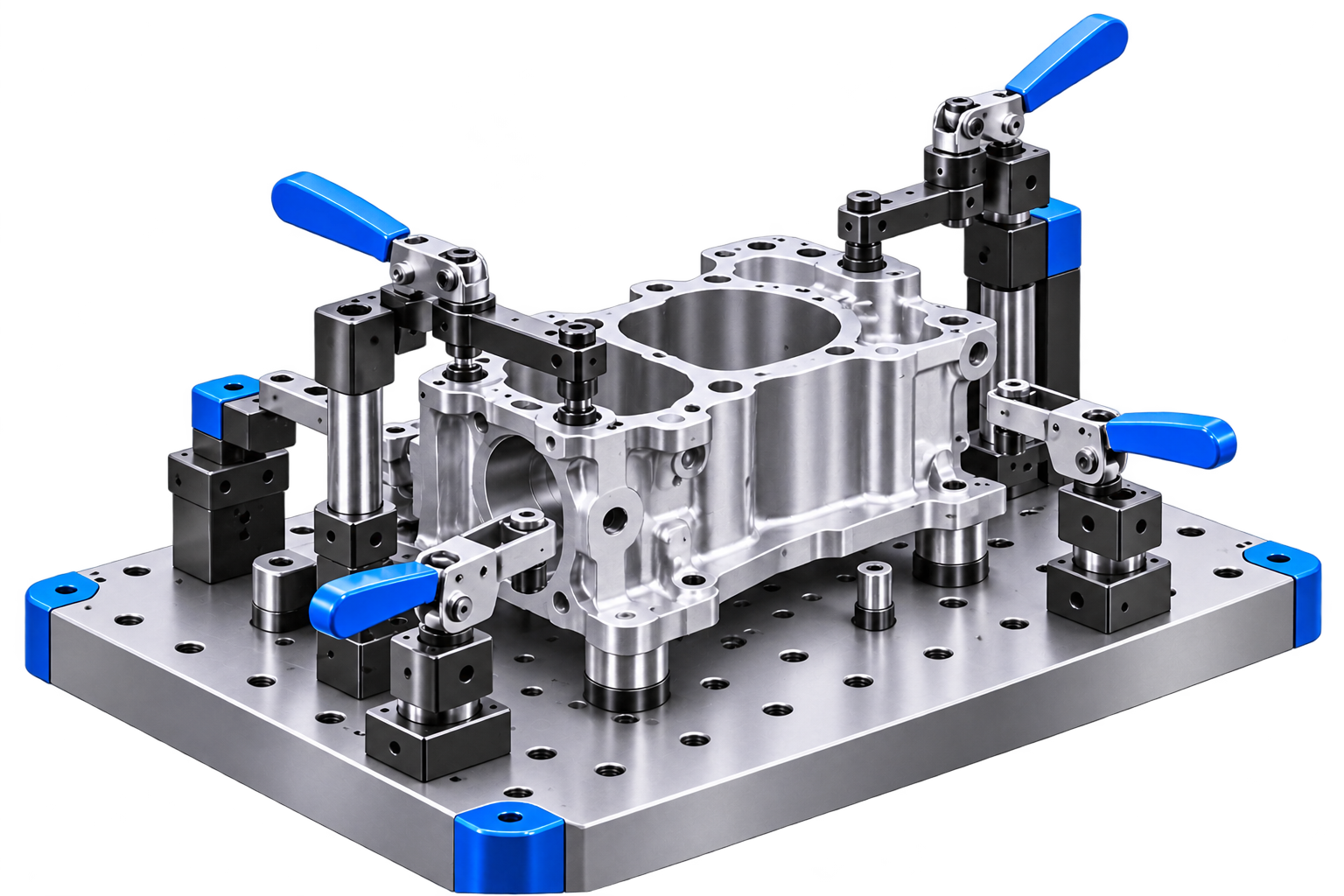
Low-distortion clamping
Distributed support and controlled clamping forces help limit deformation in thin-wall or lightweight parts.
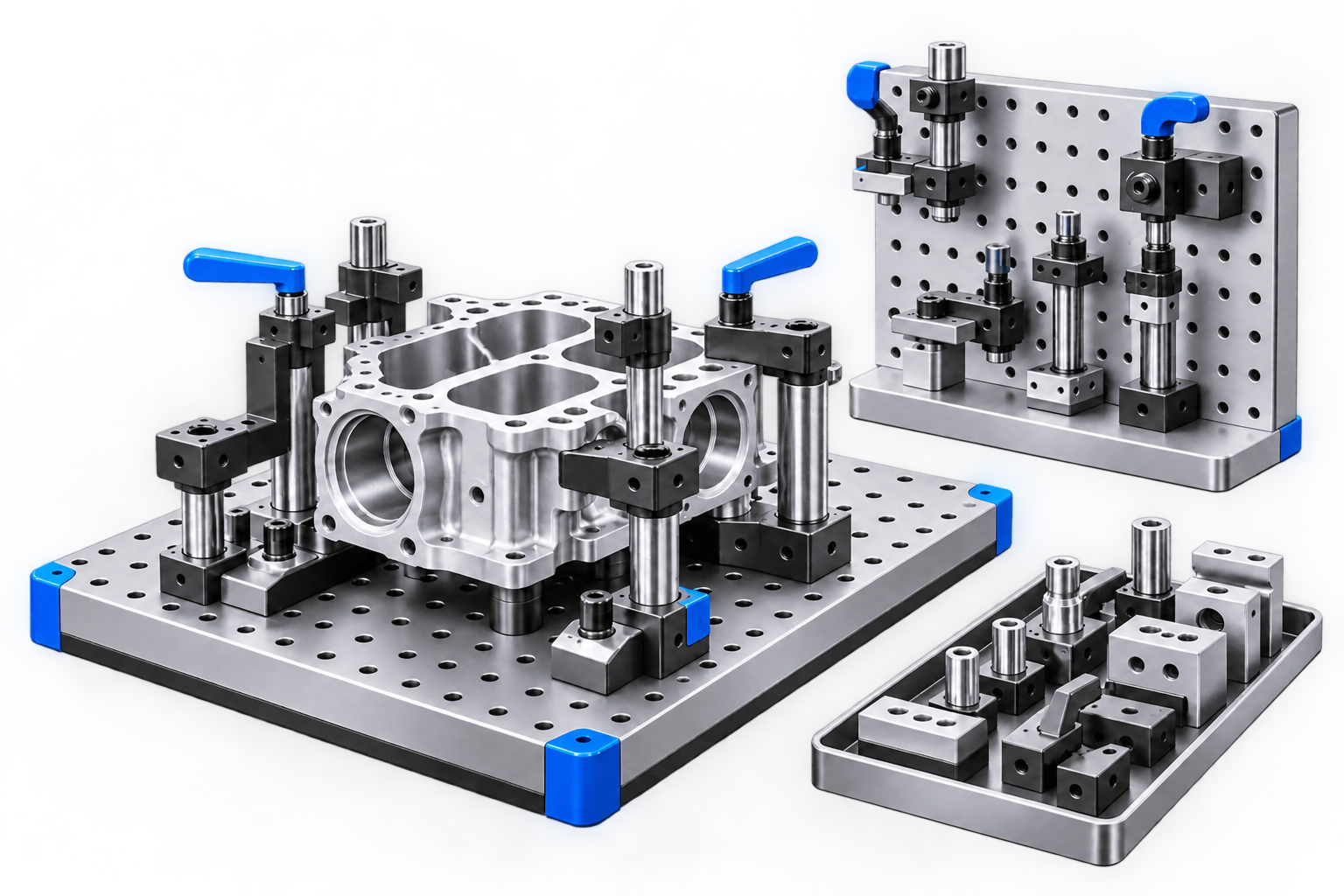
Modular fixture systems
Configurable elements accommodate component families and can reduce the need for fully bespoke tooling.
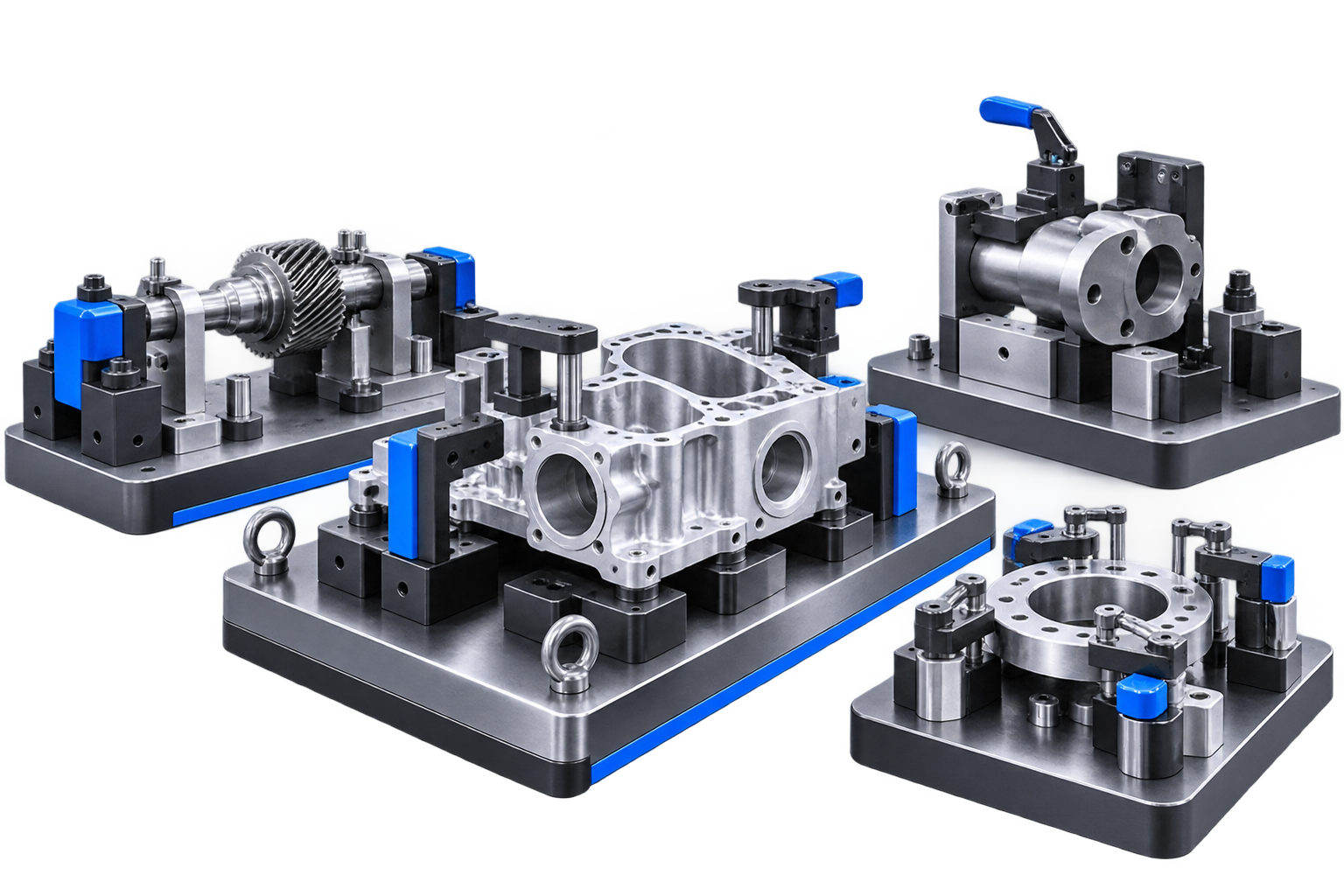
Dedicated component fixtures
Part-specific nests and supports establish repeatable datums and provide access to critical features.
Tooling
Cutting Tools for Aerospace Materials and Geometries
EUROGULF supports manufacturers with application-oriented tooling solutions that help improve machining stability, tool life and component finish.

Toolholders and coolant systems
Rigid clamping and suitable coolant delivery contribute to tool stability, chip evacuation and process control.
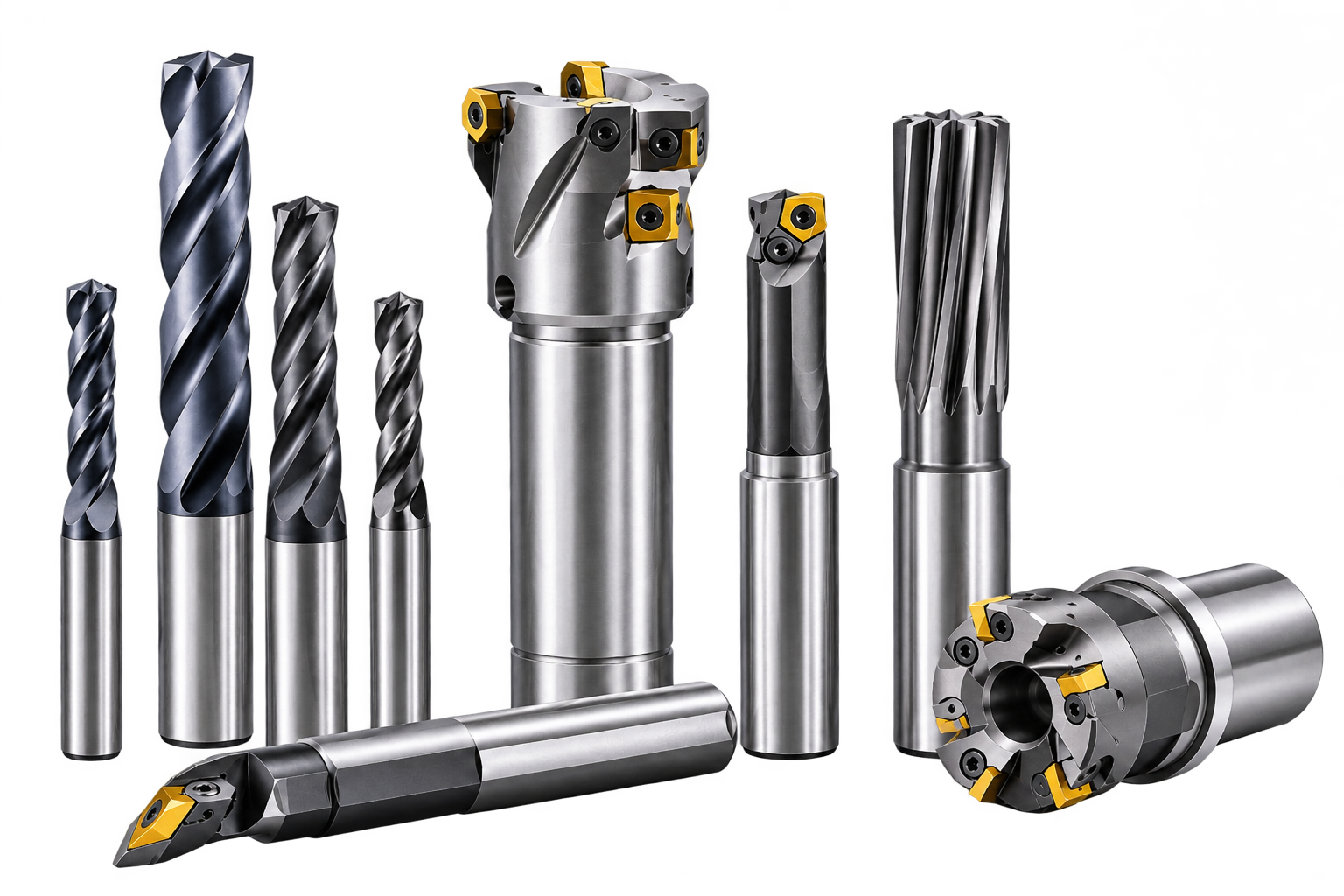
Drilling, boring and reaming tools
Create and finish holes for locating features, fasteners and assembly interfaces.
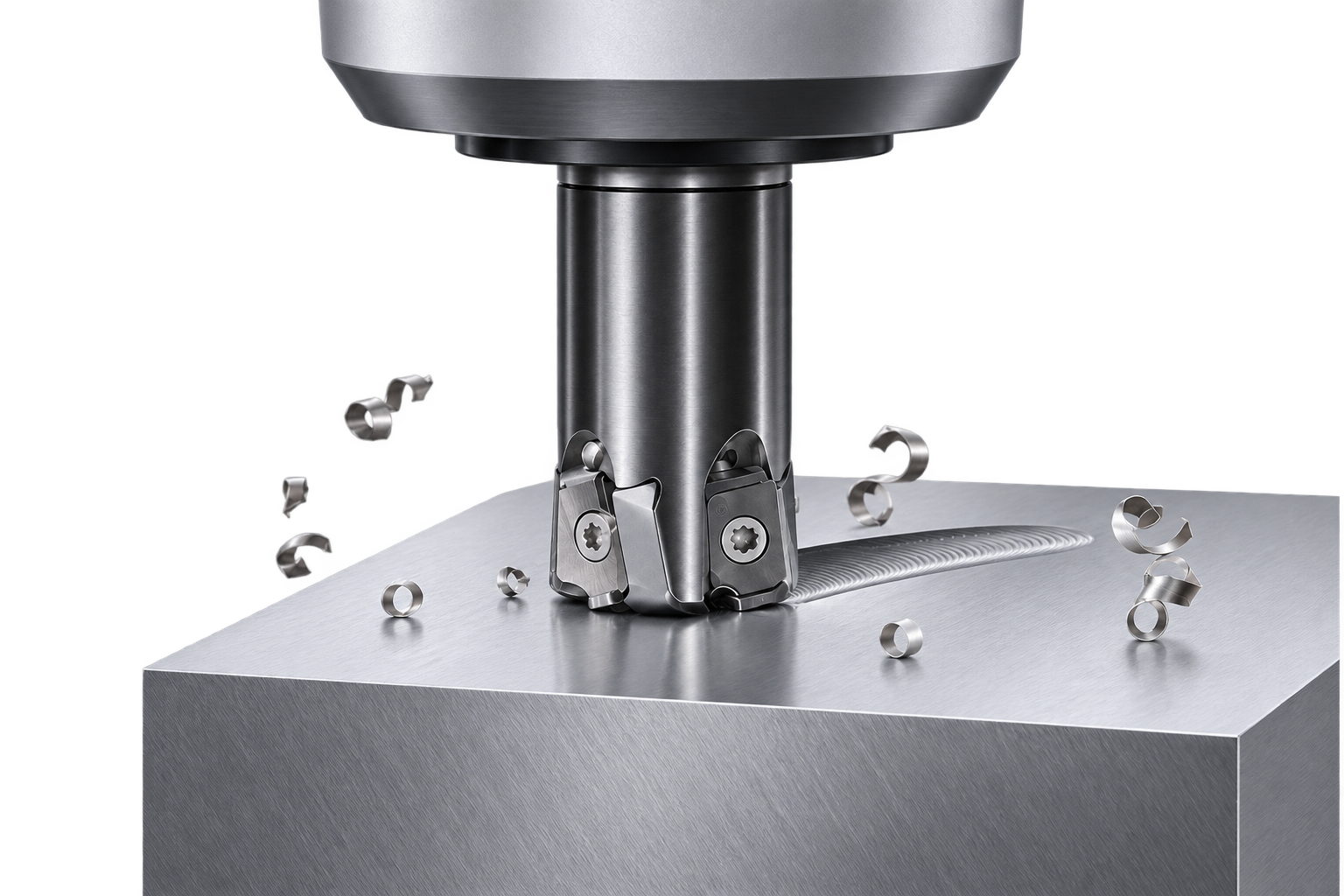
High-feed and shoulder milling
Selected cutter designs support productive stock removal where component geometry and material allow.
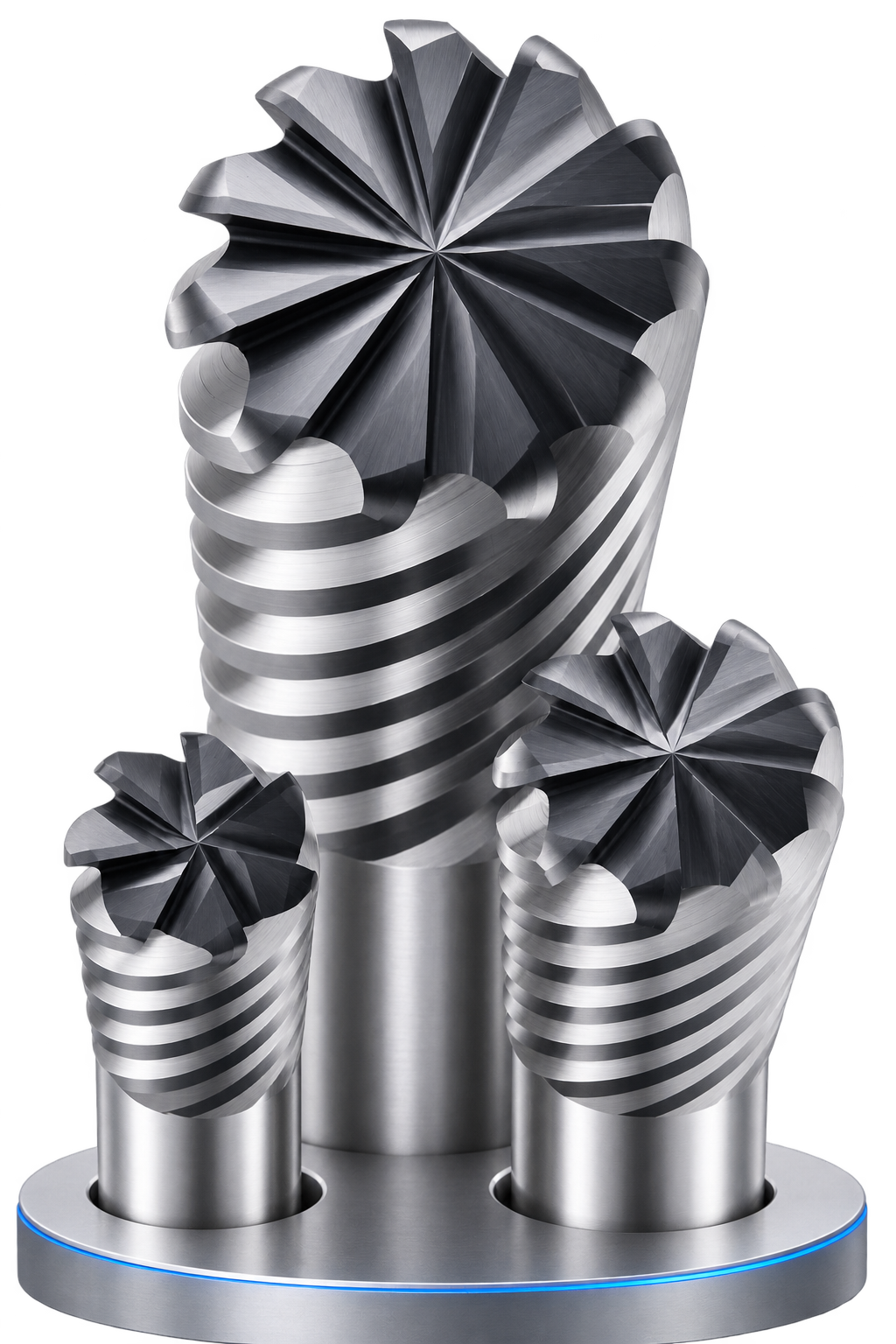
Superalloy cutting tools
Appropriate grades and geometries address elevated cutting temperatures, work hardening and abrasive wear.
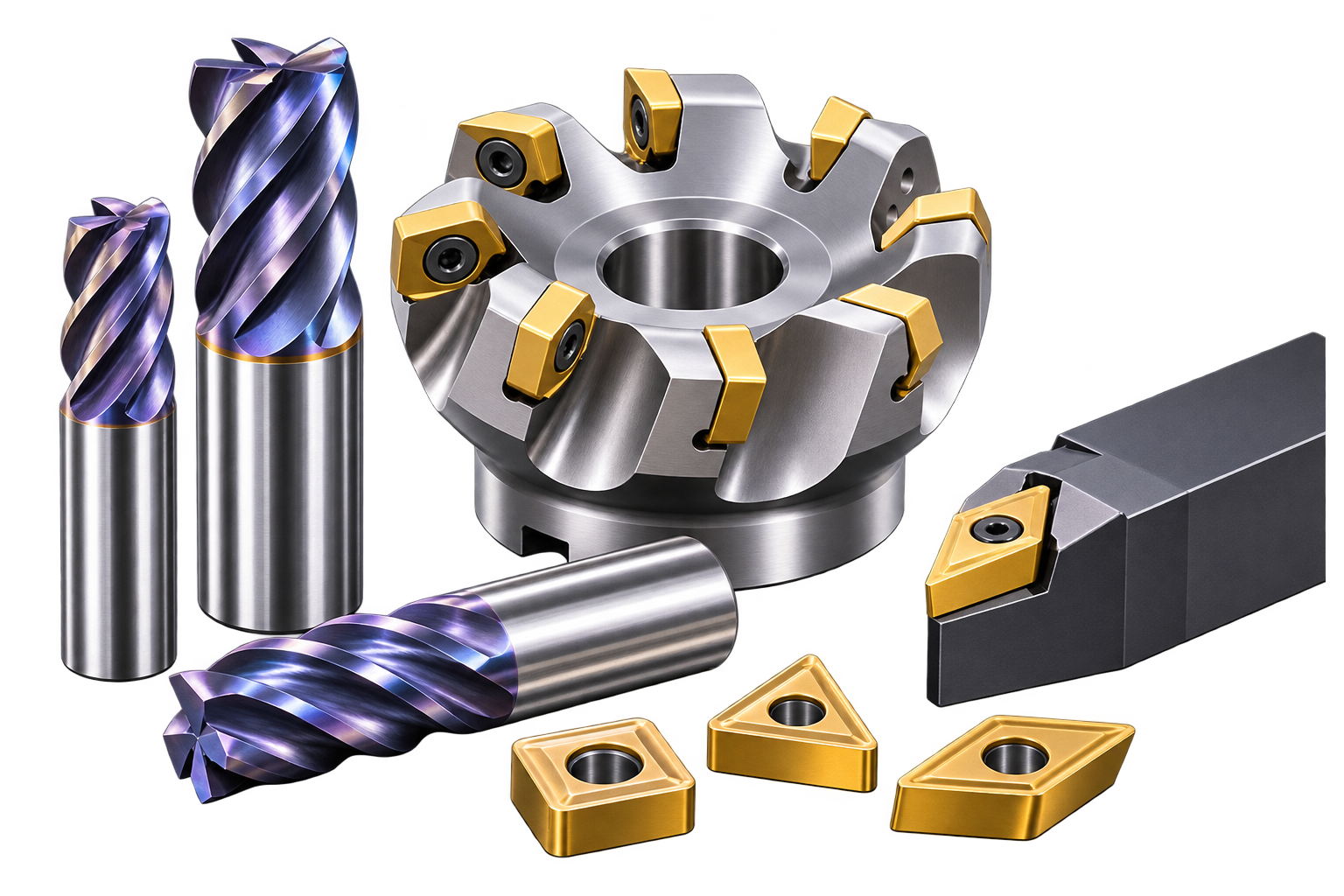
Titanium machining tools
Application-specific carbide grades, edge preparation and toolpaths help manage heat and cutting loads.

Aluminium milling cutters
Suitable flute designs and polished cutting geometries help manage chip formation and surface finish in aluminium alloys.
Applications
Core Machining Processes for Aerospace Parts
Carefully planned roughing, finishing and deburring operations help maintain surface quality and dimensional consistency. EUROGULF provides advanced machine tool and process solutions to support these varied manufacturing requirements.
Rotational component production
Turning, grooving, drilling and finishing of shafts, sleeves and rings.
Multi-face machining
Planned setups for components requiring machining access on several sides.
Precision bore production
Boring and finishing of alignment features, bearing seats and accurately located holes.
Contoured surface machining
Multi-axis milling of shaped profiles, curved transitions and aerodynamic surfaces.
Thin-wall pocket milling
Controlled roughing and finishing of lightweight structural features while managing deflection.
industries

FAQ