Project Overview
Manufacturing facilities operating multiple CNC machines must balance production requirements with ongoing equipment maintenance. As machine utilisation increases, maintenance activities become increasingly important to maintaining equipment condition and supporting consistent operations.
In this case, the maintenance approach was largely reactive, with service visits arranged when issues emerged. Service information was maintained across different records, making it difficult to maintain a consolidated view of upcoming maintenance requirements, previous findings and outstanding recommendations.
The requirement was to establish a more organised maintenance framework that could provide visibility across the machine fleet and help coordinate service activities throughout the year.
The Challenge
The client encountered several operational challenges that were limiting their production capabilities:

Unexpected Machine Stoppage
Unclear Fault Origin
Risk of Recurring Failure
Pressure to Restore Operations
Machine Operational Readiness
Limited Visibility Across the Machine Fleet
Difficulty Coordinating Production
Fragmented Service Records
Uncertain Maintenance Resource Requirements
Unexplained Dimensional Variations
Uncertain Machine Positioning Accuracy
Potential Geometric Misalignment
Inconsistent Machining Repeatability
The EuroGulf Solution
To address these challenges, EuroGulf delivered a comprehensive turnkey solution tailored to the client's production needs.
Production Accuracy Validation
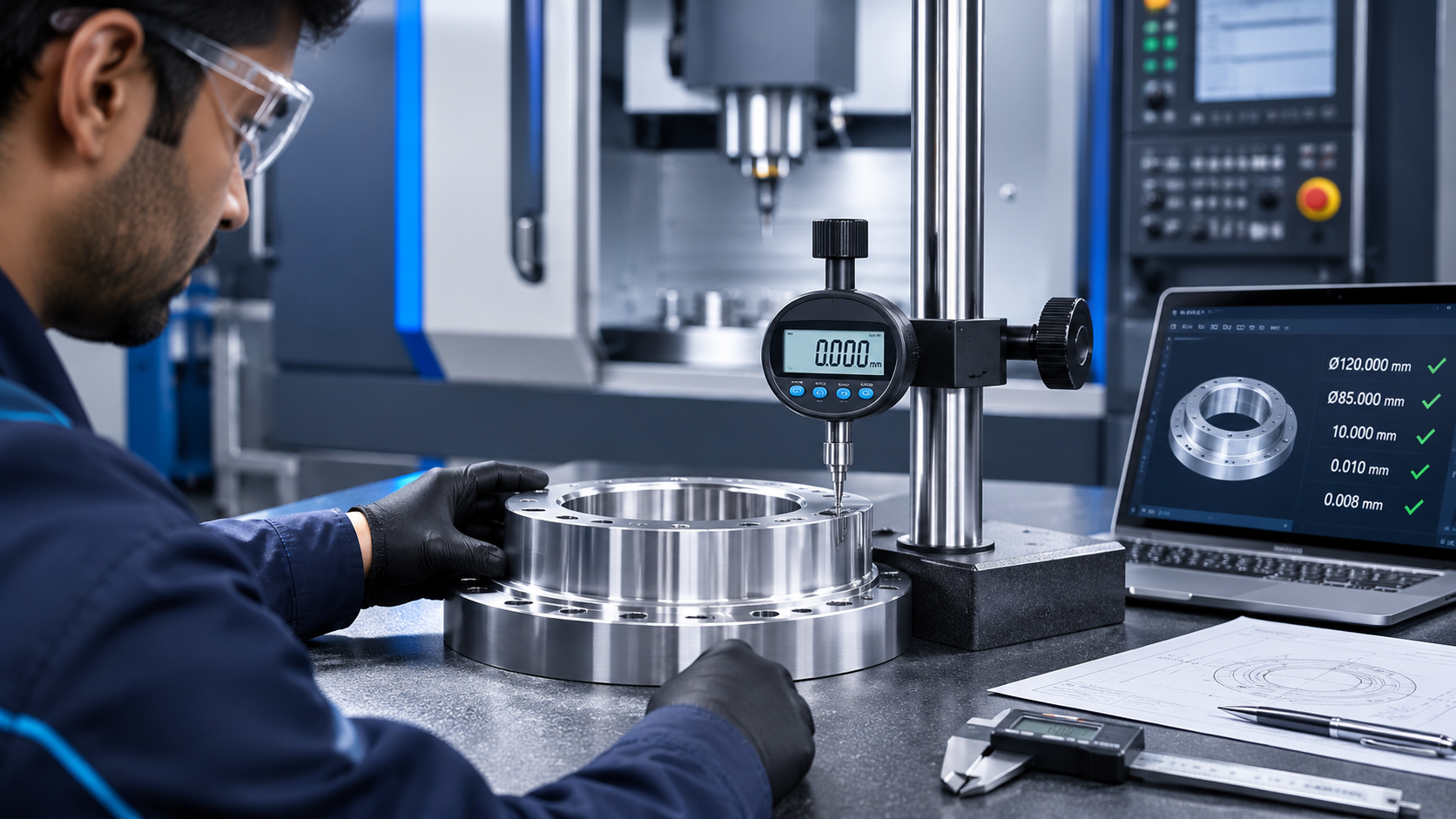
Where required, the calibration assessment was complemented by test machining and dimensional inspection. This connected the measured machine performance with actual machining results, helping determine whether the machine was suitable for the intended production requirements.
Post-Calibration Measurement and Verification
Following the corrective intervention, the affected parameters were measured again and compared against the original baseline. This provided documented evidence of the changes achieved and helped establish whether the machine's measured performance satisfied the agreed acceptance criteria.
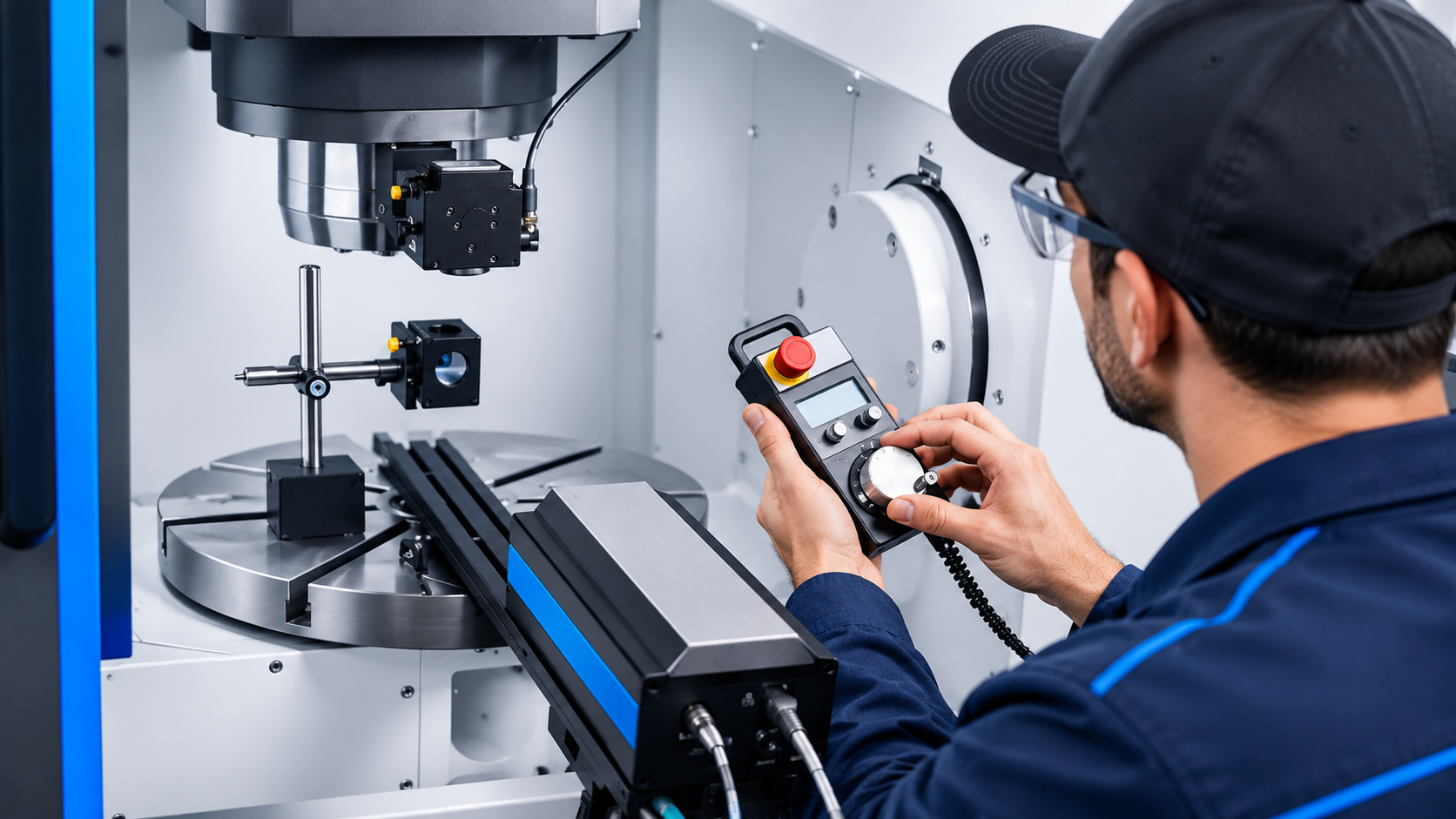
Targeted Calibration and Corrective Adjustments
Based on the assessment findings, EUROGULF addressed the relevant calibration deviations through appropriate adjustments within the agreed scope and manufacturer guidelines. The objective was to bring the affected parameters closer to their specified requirements while ensuring that underlying mechanical or component faults were identified separately where necessary.
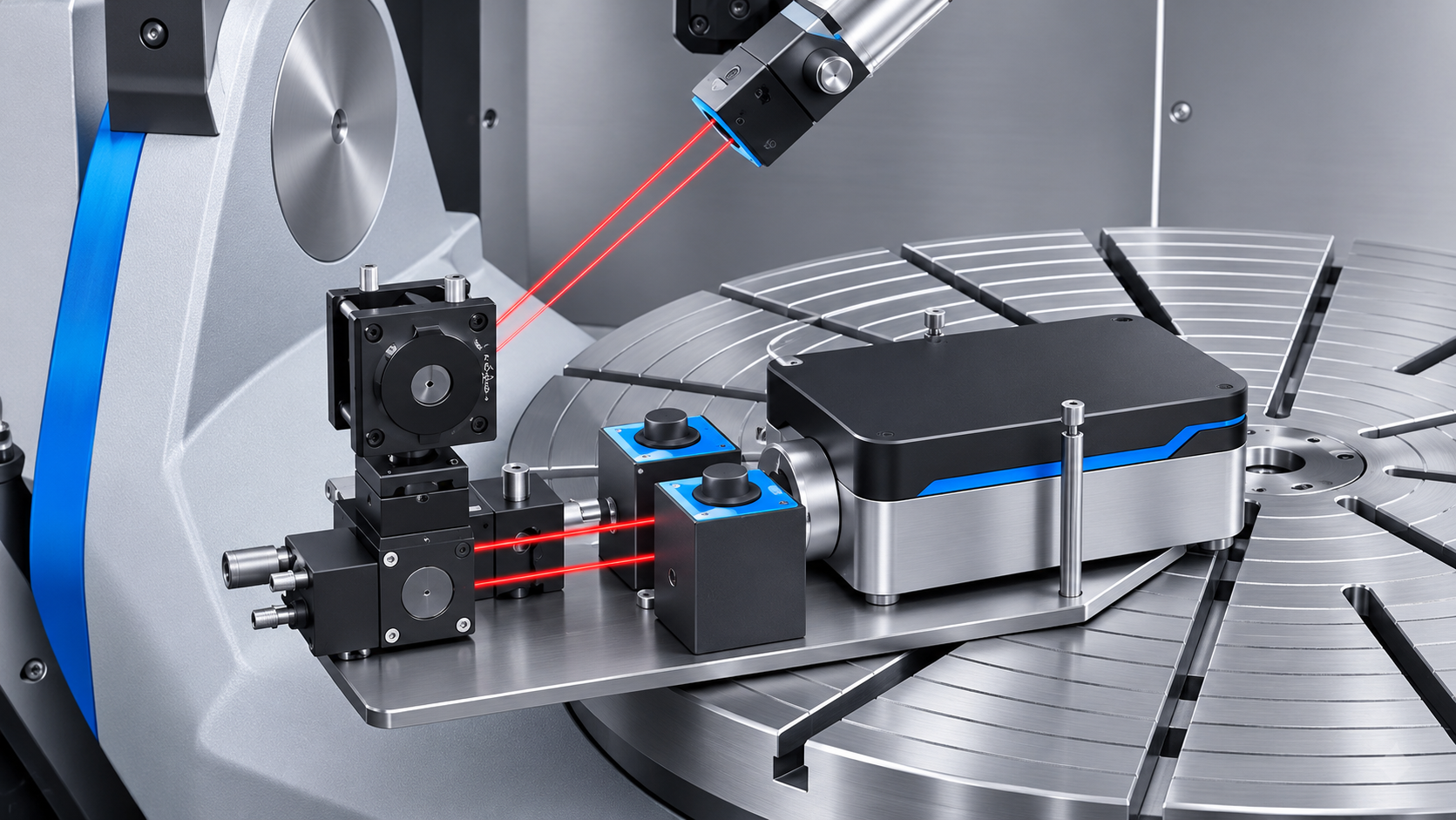
Precision Measurement and Deviation Identification
Measurement results were evaluated to identify deviations in relevant machine parameters. Depending on the machine configuration and application, the assessment considered axis positioning accuracy, repeatability, geometric alignment, squareness, and other applicable performance characteristics. This helped distinguish machine-related deviations from other potential machining variables.
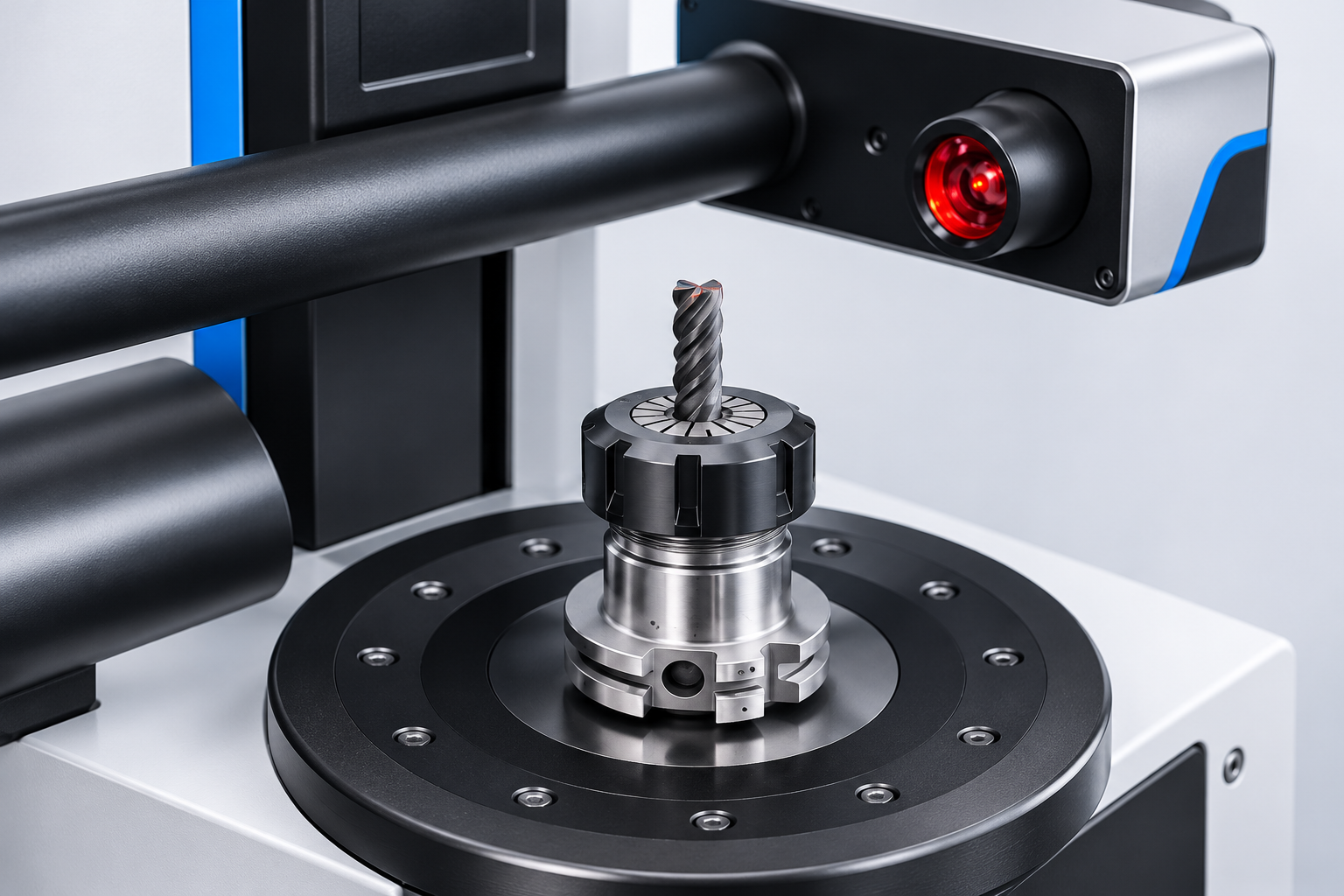
Comprehensive Machine Accuracy Assessment
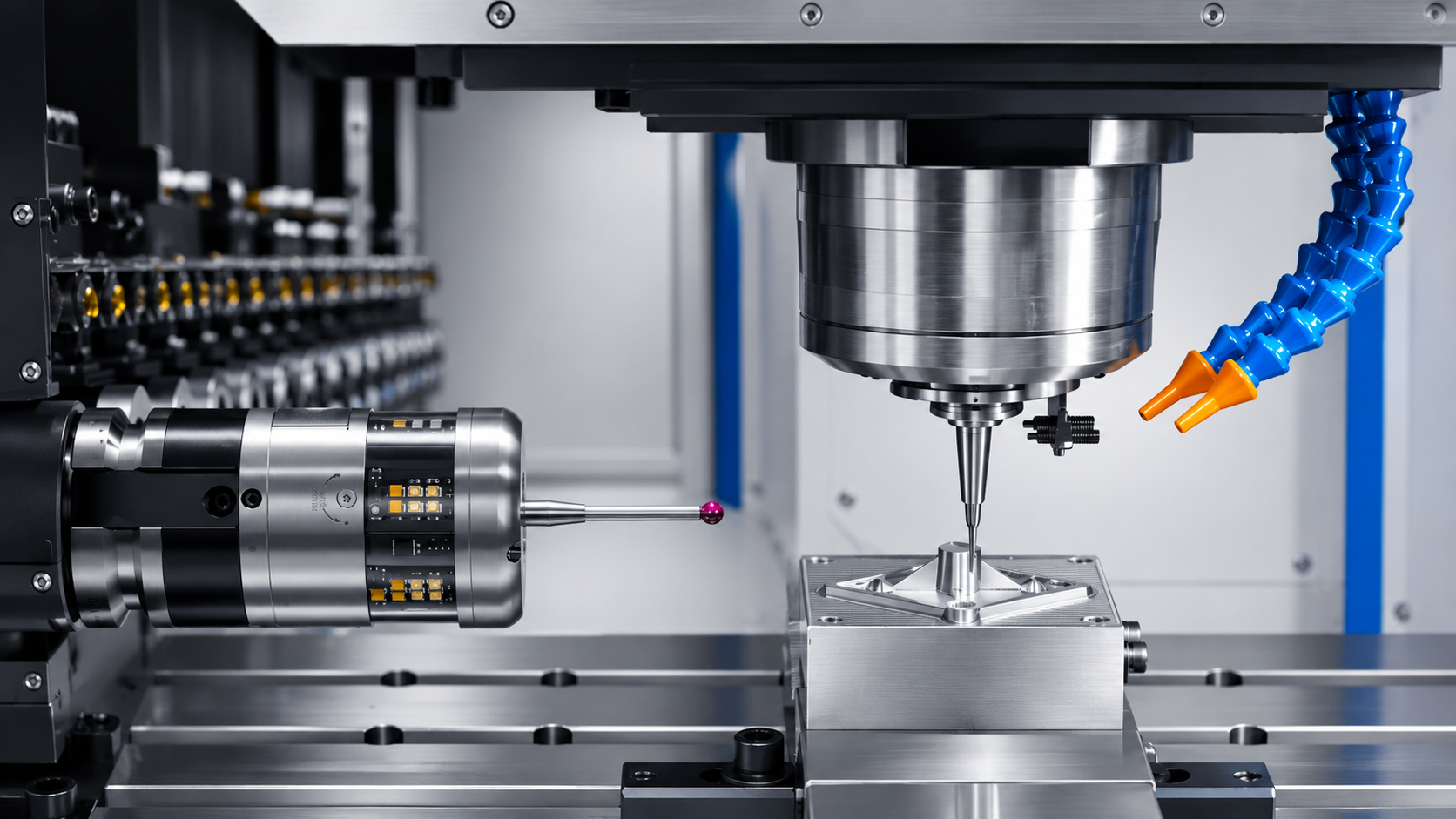
EUROGULF assessed the machine's calibration condition against the reported dimensional variation and its intended machining application. Relevant positioning and geometric parameters were examined to establish a measurable baseline. This provided a clear understanding of the machine's existing condition and helped identify areas requiring closer investigation.
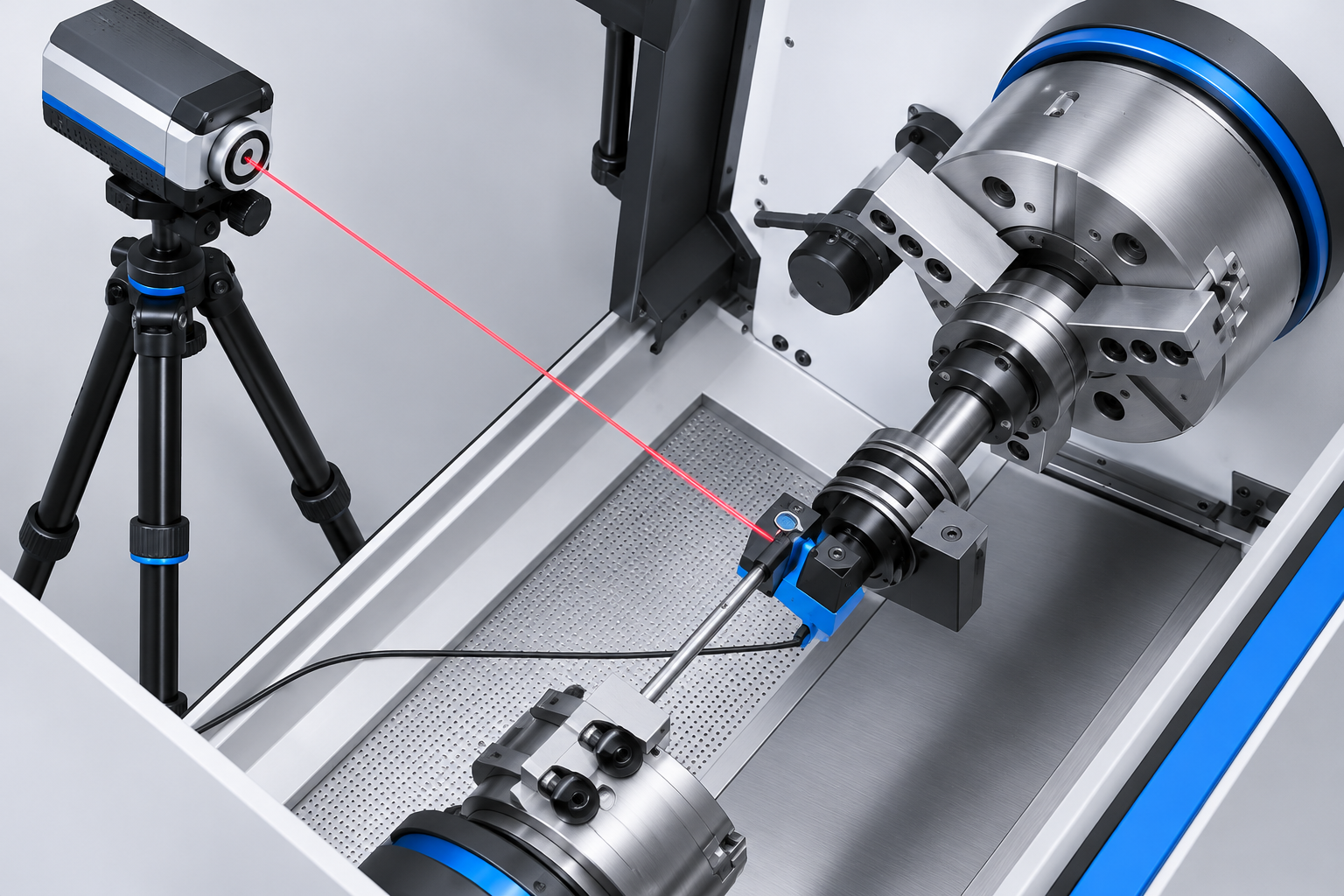
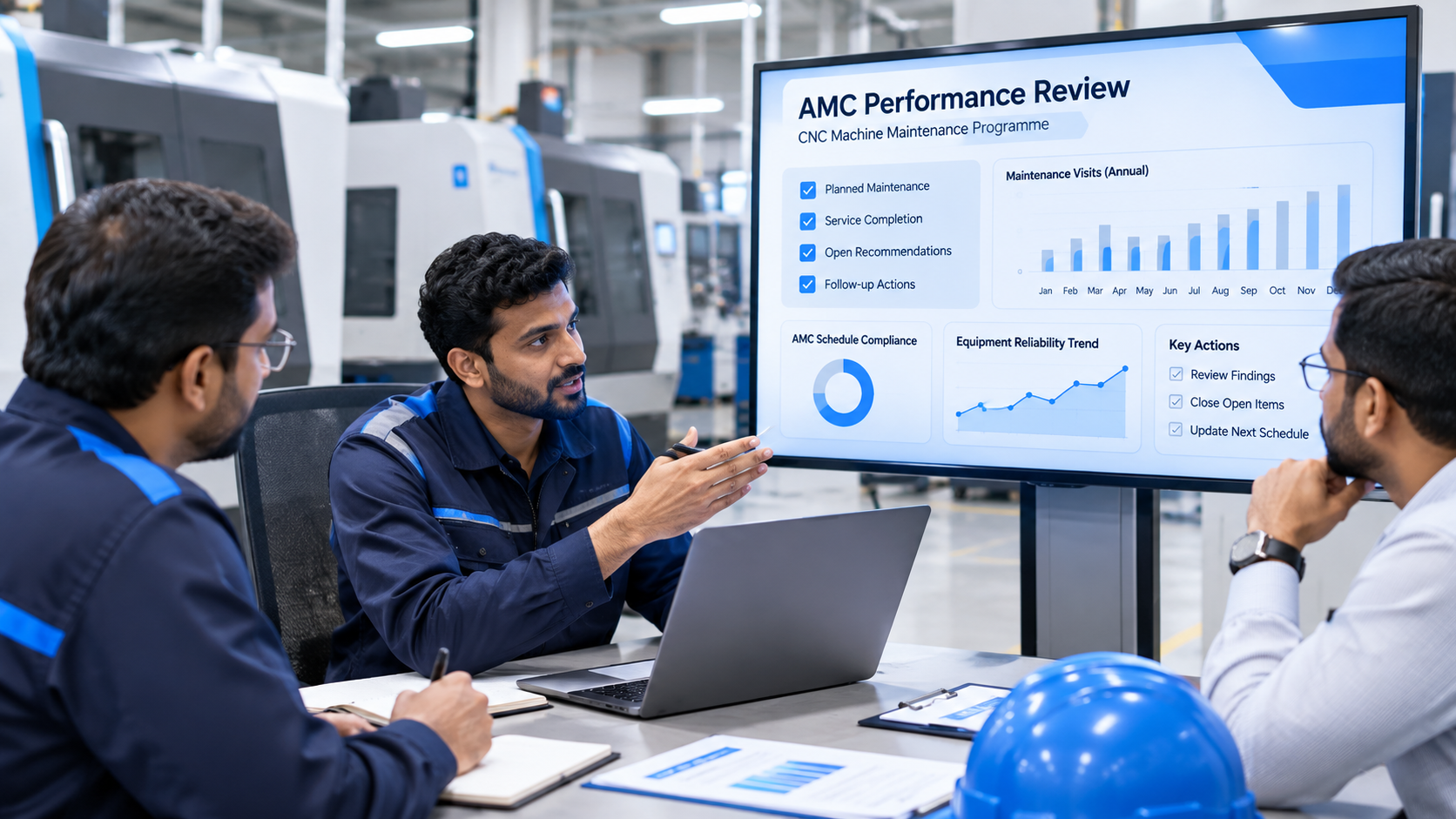
Periodic Maintenance Performance Reviews
The AMC framework supports periodic reviews of completed maintenance visits, outstanding recommendations, recurring machine issues and maintenance expenditure. Reviewing these details helps identify areas requiring attention, reassess maintenance priorities and plan upcoming service activities more effectively.
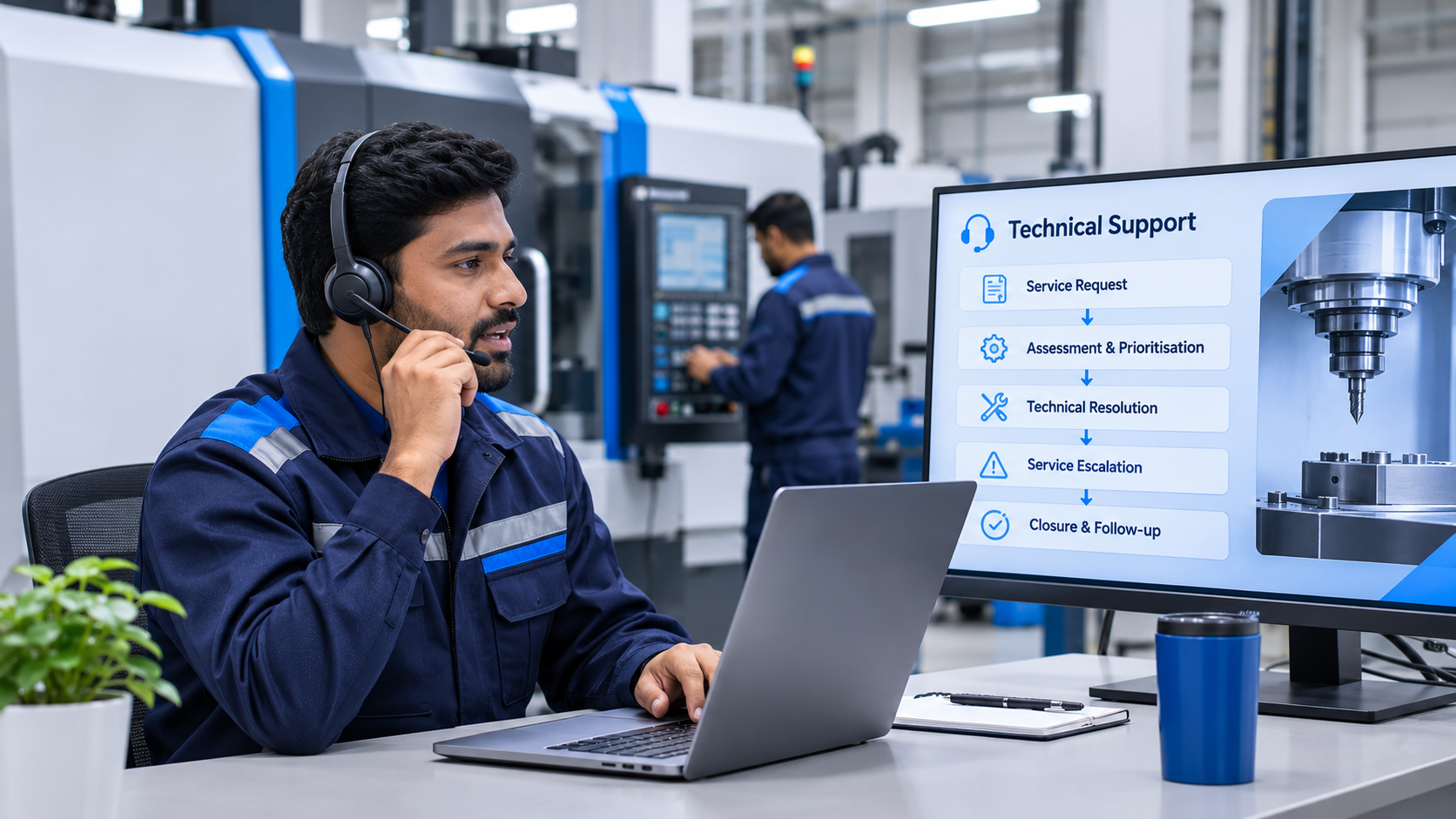
Coordinated Technical Support and Service Escalation
EUROGULF establishes agreed arrangements for raising service requests, prioritising technical issues and coordinating support. Defined response arrangements and clarity around included services, additional repairs and spare parts help customers understand how unexpected maintenance requirements will be handled during the contract period.
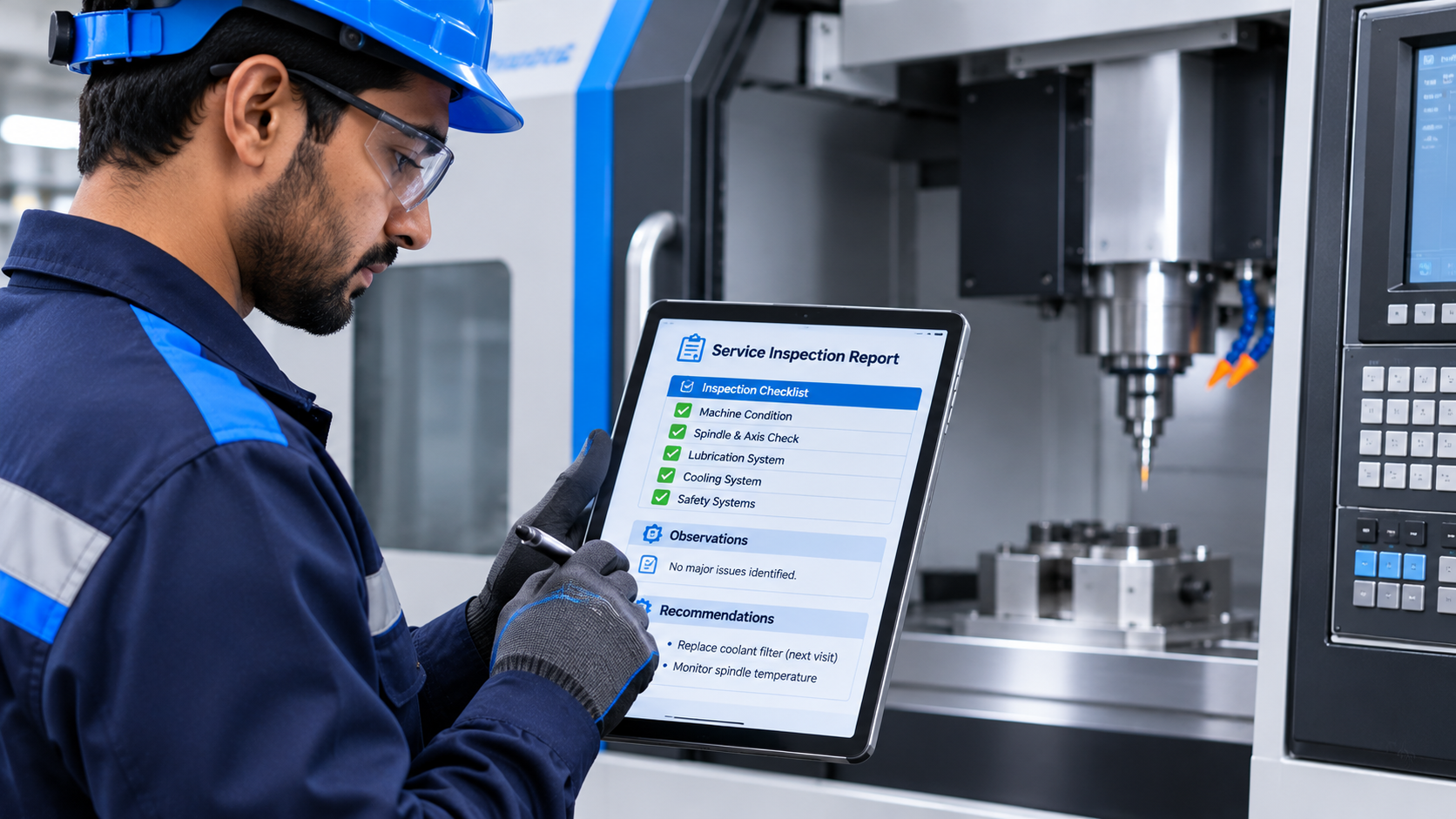
Documented Service Inspections and Recommendations
Each maintenance visit provides an opportunity to document completed activities, machine observations, identified concerns and recommended follow-up actions. Maintaining consistent service records helps the customer understand the maintenance status of covered equipment and provides a reference for subsequent service visits.
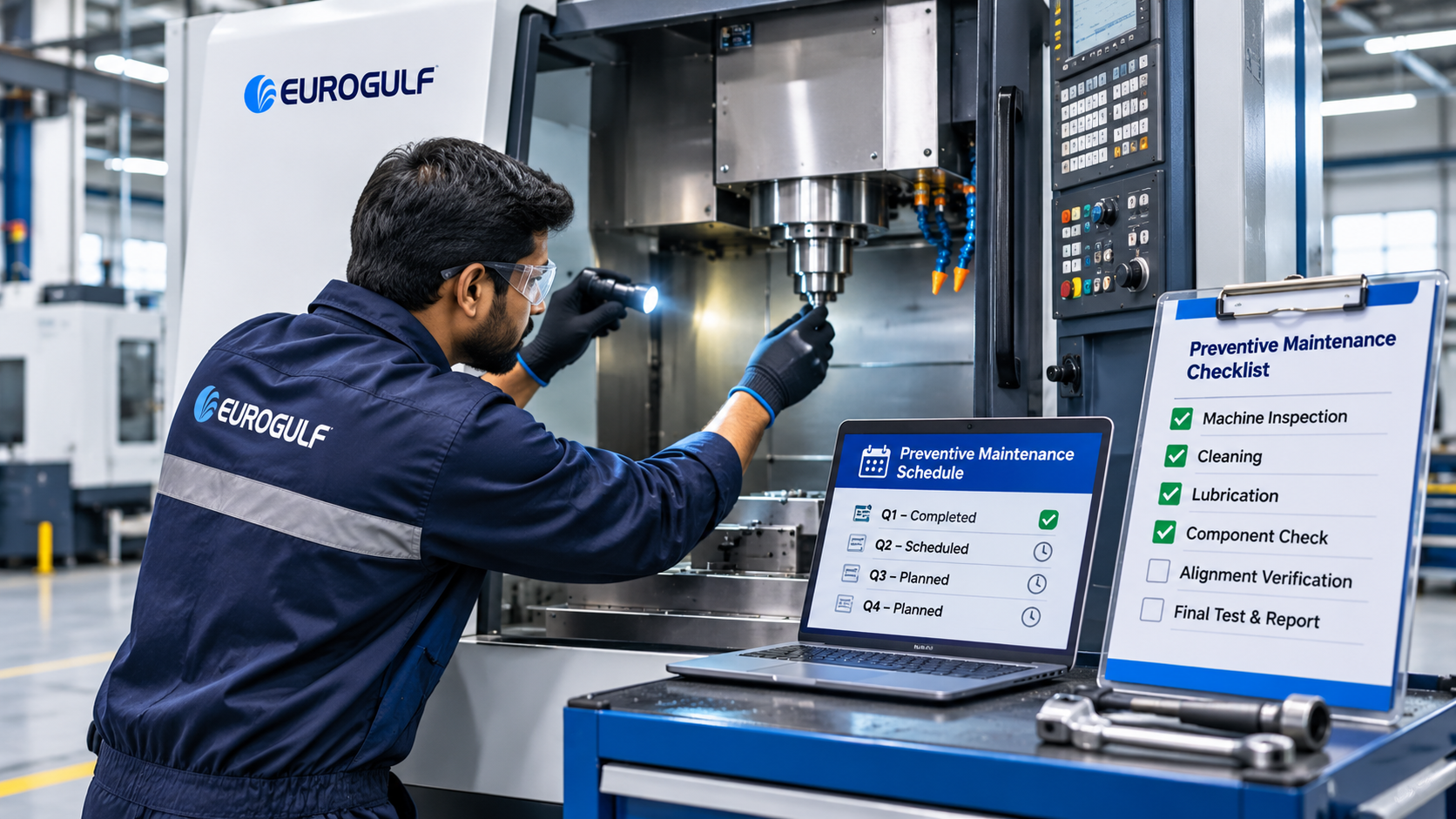
Scheduled Preventive Maintenance Visits
Rather than arranging every service intervention only when an issue arises, the AMC framework establishes planned maintenance visits throughout the year. These visits are coordinated around machine utilisation, maintenance requirements and available production windows, helping maintenance teams organise servicing with fewer scheduling uncertainties.
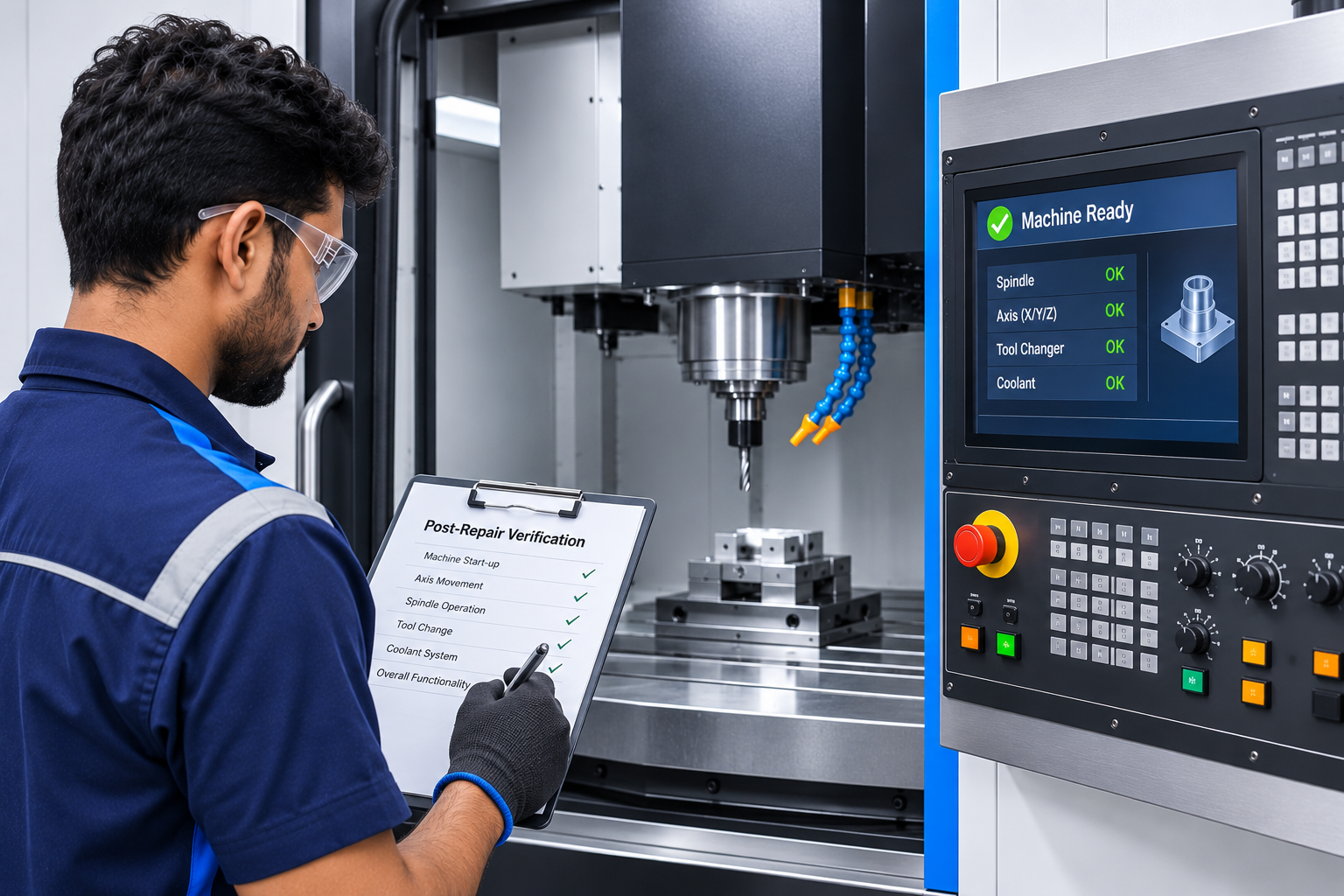
Checking Machine Functionality After Repair
Once the corrective work was completed, attention shifted to the machine's operating condition. Relevant functions associated with the reported issue were checked to assess whether the affected systems were operating as intended. These checks formed an important part of the intervention, helping establish whether the original fault had been addressed before the machine was considered ready for its return to production.
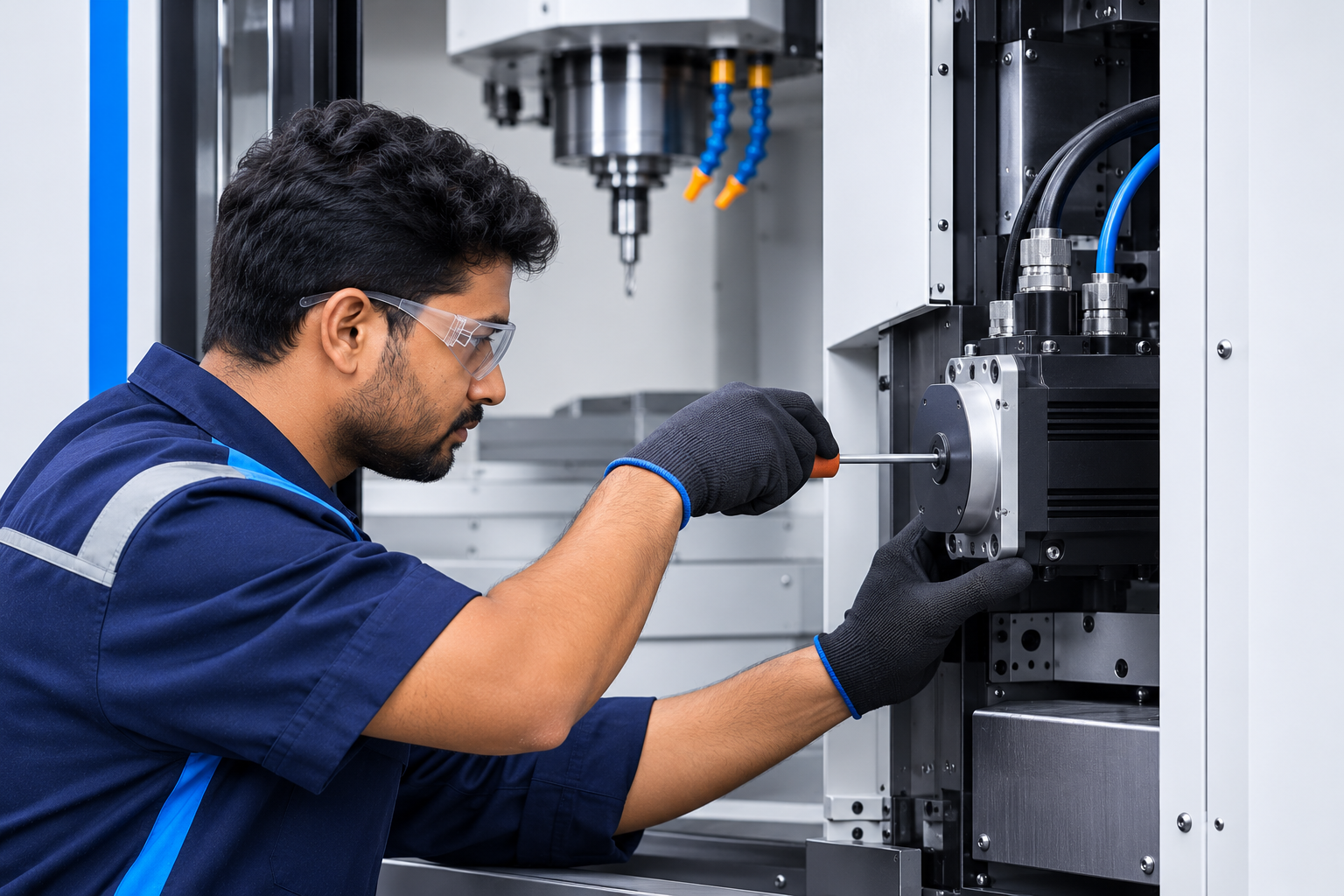
Addressing the Identified Technical Fault
Following the assessment, the corrective work was directed towards the affected component or system. Depending on the condition identified, this involved the appropriate repair or replacement within the agreed service scope. Rather than relying on a temporary reset or restart, the objective was to address the identified fault so that the machine could progress towards operational readiness.
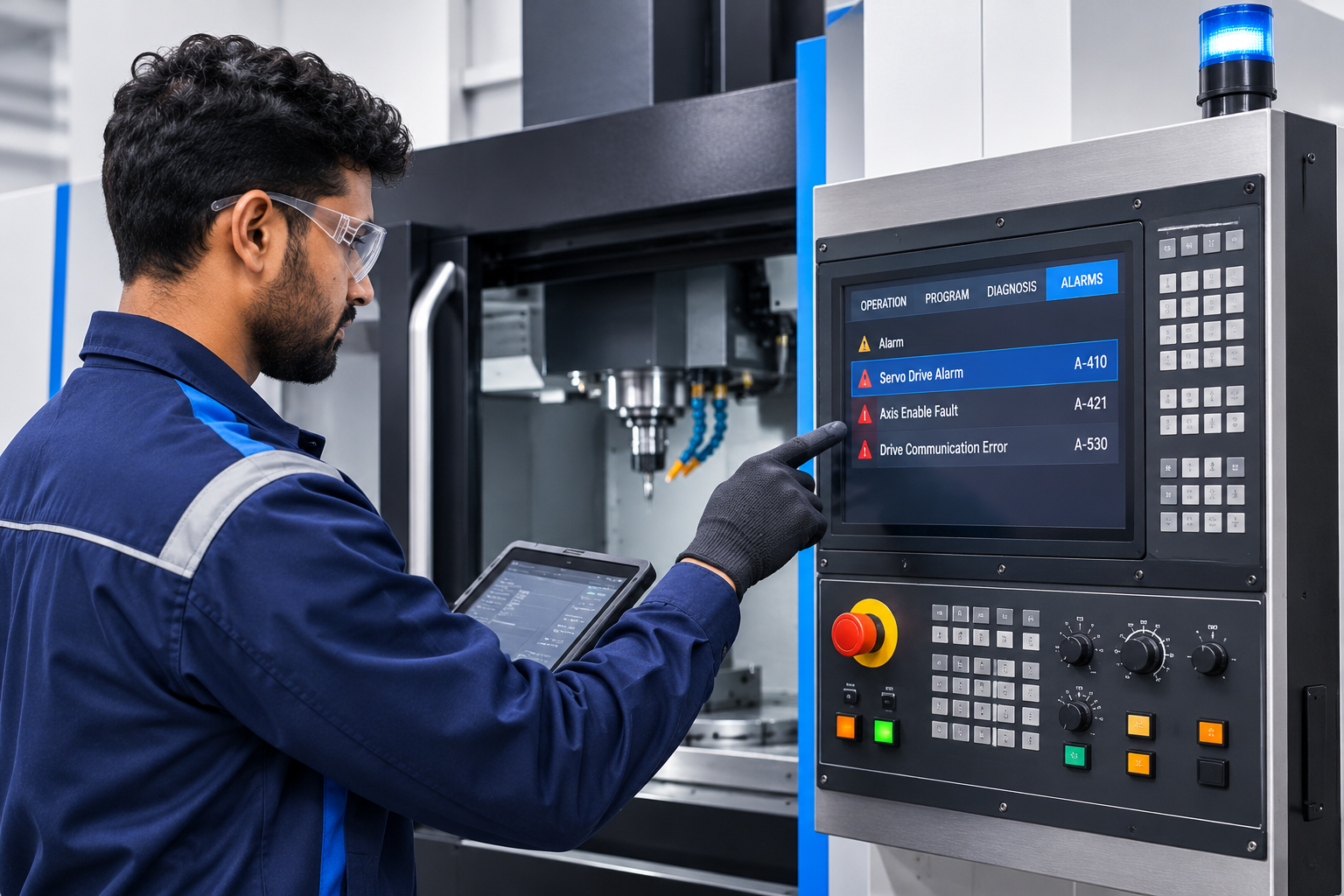
Identifying the Source of the Breakdown
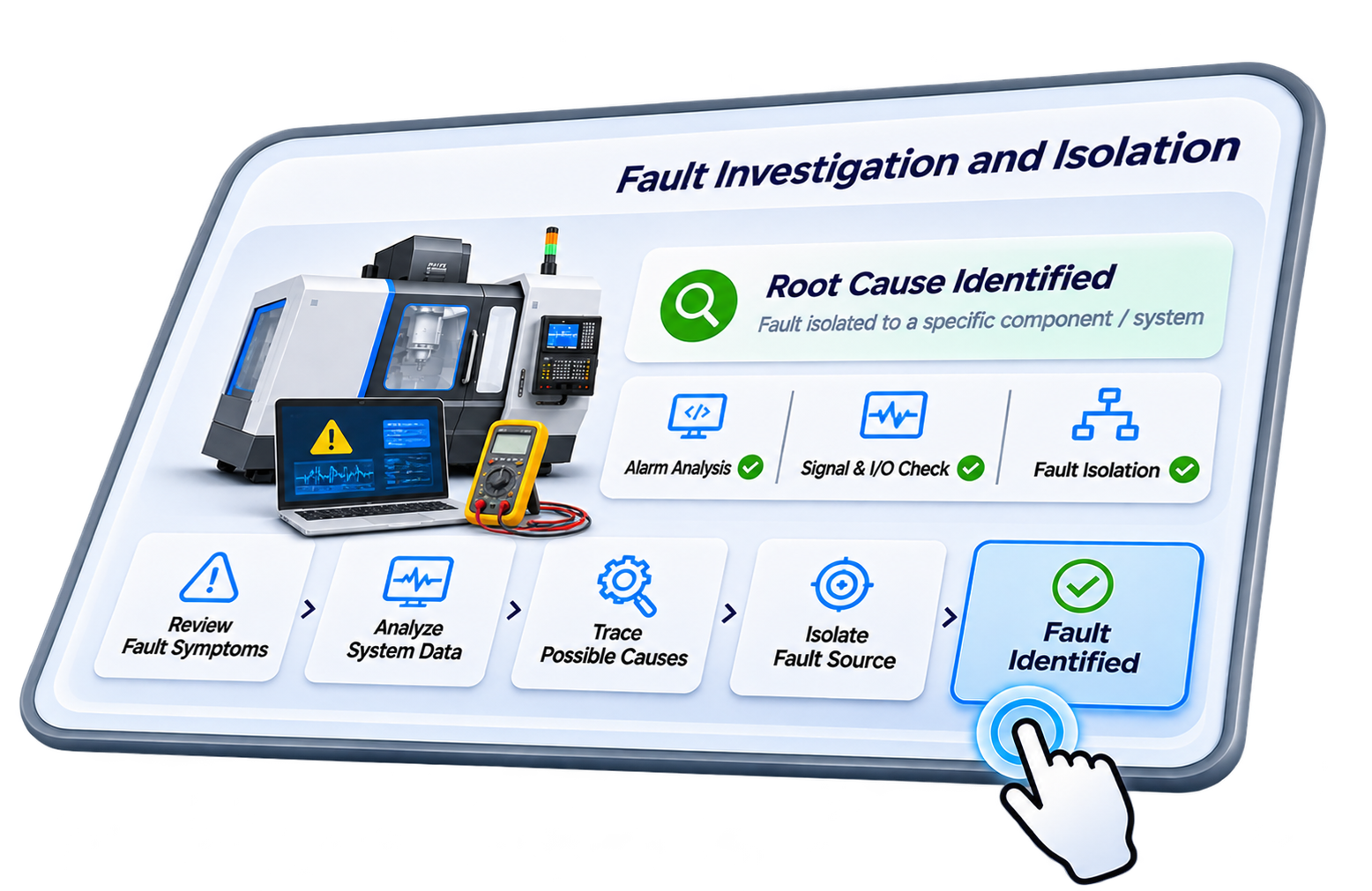
The next priority was to narrow down the underlying cause of the machine interruption. The investigation considered the mechanical, electrical and control-related systems relevant to the reported symptoms. This distinction was important because a machine stoppage can present symptoms that do not necessarily reveal the actual source of the problem. Establishing the affected area provides the basis for determining the appropriate corrective action.

Evaluating the Machine's Fault Condition
EUROGULF's service team began by assessing the reported machine stoppage and examining the available fault indications. The focus was on understanding the machine's condition and identifying which systems could be associated with the interruption. Reviewing the symptoms before proceeding helped establish a clearer direction for the corrective work and avoided treating the visible fault indication as the confirmed root cause.
Implementation Process
Our structured process ensured smooth execution and minimal disruption to operations.
Fault Investigation and Isolation
The next stage focuses on narrowing down the source of the breakdown. The relevant mechanical, electrical or control-system areas are investigated to distinguish the underlying fault from its visible symptoms. This helps establish the corrective work required rather than relying on repeated restart attempts.

Corrective Repair Intervention
Once the fault has been identified, the required corrective work is carried out on the affected component or system. The repair approach is determined by the machine condition and the nature of the identified issue, keeping the intervention focused on resolving the reported problem.
Post-Repair Functional Verification
Following the corrective intervention, relevant machine functions are checked to assess whether the affected systems are operating as intended. These checks help establish the machine's operational condition before it is considered ready for return to production.
Machine Readiness for Production
After the relevant functional checks, the machine's readiness for production is assessed. The objective is to return the equipment to service with the identified fault addressed and its relevant functions verified, supporting a more controlled resumption of manufacturing operations.
Assessment of Machine Fleet and Maintenance Requirements
The process begins by identifying the CNC machines included within the Annual Maintenance Contract. Their operating requirements, maintenance needs and service priorities are reviewed to establish the scope of support. This provides a foundation for organising maintenance activities around the equipment covered and the customer's operational requirements.
Defining the AMC Scope and Service Agreement
Once the equipment scope is established, the maintenance framework defines the agreed service inclusions, responsibilities, response arrangements, exclusions and support requirements. Establishing these details creates a clear understanding between EUROGULF and the customer regarding how maintenance activities and additional service requirements will be managed.
Developing the Annual Maintenance Schedule
EUROGULF organises planned maintenance activities into an annual service calendar. Visit schedules are considered against machine utilisation, maintenance requirements and the customer's production calendar. Where practical, maintenance activities can be coordinated with planned shutdowns or suitable production windows to support better resource and operational planning.
Conducting Scheduled Maintenance and Recording Findings
During planned service visits, maintenance activities are carried out within the agreed contract scope. Relevant observations, completed work, identified concerns, spare-parts requirements and recommendations are documented. These records provide visibility into equipment maintenance status and help ensure that follow-up requirements remain traceable.
Coordinating Follow-Up Support and Corrective Actions
Findings requiring additional attention are reviewed and followed up through the agreed service coordination process. Technical support requirements, recommended repairs and spare-parts needs are communicated for appropriate action and approval. This helps distinguish routine AMC activities from additional interventions that may fall outside the agreed contract scope.
Reviewing Maintenance Performance and Planning Ahead
Periodic reviews bring together completed visits, outstanding recommendations, recurring machine issues and maintenance expenditure. These observations provide a basis for reassessing equipment priorities, identifying follow-up requirements and organising upcoming maintenance activities throughout the contract period.
Initial Machine Assessment
EUROGULF began by understanding the reported dimensional variations and reviewing the machine's intended machining application. The initial assessment established the areas requiring attention and helped define the relevant calibration parameters for further investigation.
Establishing the Measurement Baseline
The machine's existing condition was assessed using appropriate precision measurement methods. Relevant positioning and geometric parameters were recorded to establish a baseline against which subsequent calibration adjustments could be evaluated.
Fault Investigation and Deviation Analysis
The recorded measurements were examined to identify deviations that could influence machining accuracy. EUROGULF focused on understanding the relationship between the observed measurements, machine positioning behaviour, and the dimensional inconsistencies reported.
Calibration and Corrective Adjustment
Based on the assessment findings, the relevant machine parameters were addressed through appropriate calibration adjustments. The work was carried out within the agreed scope, with consideration for applicable machine specifications and manufacturer guidelines.
Post-Calibration Measurement
Following the adjustments, the affected parameters were measured again using the applicable measurement methods. The new readings were compared against the initial baseline to evaluate the effectiveness of the calibration intervention.
Accuracy Verification and Production Validation
The measurement results were reviewed against the agreed acceptance criteria. Where required, test machining and dimensional inspection provided an additional means of evaluating machine performance under production-related conditions.
Documentation and Service Closure
The calibration findings, adjustments, and verification results were documented to provide a reference for the machine's assessed condition. This gave the customer a clearer basis for evaluating machine accuracy and making informed production decisions.
Project Gallery
Explore real project visuals showcasing our CNC solutions, installations, and operational excellence in action.